Luận án so sánh Cántico espiritual và Rāsa Līlā của Gloria M. Hernández
Luận án: Presence absence and divine vision doctoral dissertation by gloria m hernández. Xem tóm tắt và tải về tại LuanAn.net
Đại học Emory (James T. Laney School of Graduate Studies, Emory University)
Tiếng Tây Ban Nha và Bồ Đào Nha (Spanish and Portuguese)
Luan An
Luận án tiến sĩ
Năm xuất bản
Số trang
303
Thời gian đọc
46 phút
Lượt xem
0
Lượt tải
0
Phí lưu trữ
60 Point
Tổng quan nhanh
- Chủ đề:
- So sánh Thần bí: Cántico espiritual và Rāsa Līlā
- Số trang:
- 303 trang
- Trường:
- Đại học Emory (James T. Laney School of Graduate Studies, Emory University)
- Chuyên ngành:
- Tiếng Tây Ban Nha và Bồ Đào Nha (Spanish and Portuguese)
- Tác giả:
- Gloria Maité Hernández
- Năm:
- 2011
Tóm tắt nội dung luận án
I.So sánh Thần bí Cántico espiritual và Rāsa Līlā
Nghiên cứu này thực hiện một so sánh quan trọng. Nó đối chiếu Cántico espiritual của Thánh Gioan Thánh Giá với Rāsa Līlā. Cántico espiritual là văn bản Tây Ban Nha thế kỷ 16. Rāsa Līlā là tác phẩm thơ ca Ấn Độ từ thế kỷ 9-13. Hai văn bản không có mối liên hệ lịch sử trực tiếp. Tuy nhiên, việc so sánh này làm sáng tỏ nhiều khía cạnh sâu sắc. Nó tiết lộ những điểm tương đồng không dễ nhận ra. Nghiên cứu sử dụng một phương pháp liên ngành mạnh mẽ. Nó thách thức các giả định truyền thống về văn học thần bí Tây Ban Nha Cận đại. Trọng tâm là khái niệm về sự vắng mặt và hiện diện của thần thánh. Các văn bản này cùng tồn tại trong không gian chuyển tiếp đó. Động lực chính là khao khát đạt được tầm nhìn thần thánh. Mong muốn này thúc đẩy mọi sự tìm kiếm tâm linh.
1.1. Giới thiệu tổng quan nghiên cứu
Nghiên cứu này so sánh hai tác phẩm thần bí lớn. Cántico espiritual của Thánh Gioan Thánh Giá đại diện cho văn học Tây Ban Nha thế kỷ 16. Rāsa Līlā là tác phẩm thơ ca Ấn Độ từ thế kỷ 9-13. Hai văn bản không có mối liên hệ lịch sử. Mục tiêu là khám phá các khía cạnh chung. So sánh này làm sáng tỏ nhiều điều không rõ ràng.
1.2. Đối tượng nghiên cứu và phạm vi
Cántico espiritual bao gồm văn bản và bình luận của Thánh Gioan Thánh Giá. Rāsa Līlā sử dụng văn bản tiếng Phạn và bình luận của Srīdhara Svāmi. Phạm vi nghiên cứu rộng. Nó bắc cầu giữa các truyền thống tâm linh khác nhau. Đây là một cuộc đối thoại liên ngành mạnh mẽ.
1.3. Phương pháp luận so sánh độc đáo
Nghiên cứu thách thức các giả định truyền thống. Nó xem xét hoàn cảnh văn học thần bí Tây Ban Nha Cận đại. Phương pháp so sánh khám phá những điểm chung. Sự vắng mặt và hiện diện của thần thánh là trọng tâm. Các văn bản này tồn tại trong không gian chuyển tiếp.
II.Khám phá Tình yêu Thần thánh trong Thần bí học
Tình yêu thần thánh là chủ đề trung tâm của cả hai tác phẩm. Cántico espiritual và Rāsa Līlā đều thể hiện khao khát mãnh liệt này. Biểu tượng cô dâu chú rể được sử dụng rộng rãi. Nó mô tả mối quan hệ sâu sắc giữa linh hồn và Chúa. Mục tiêu cuối cùng là sự kết hợp thần bí. Linh hồn tìm kiếm sự hòa hợp hoàn toàn với Đấng tối cao. Đây là một hành trình tâm linh sâu sắc và đầy ý nghĩa. Các văn bản khám phá tình yêu thiêng liêng vượt qua mọi giới hạn. Sự tìm kiếm này là động lực chính của trải nghiệm thần bí. Nó định hình toàn bộ hành trình tâm linh, từ khao khát đến sự viên mãn.
2.1. Biểu tượng cô dâu chú rể phổ quát
Tình yêu thần thánh là chủ đề trung tâm. Cántico espiritual sử dụng biểu tượng cô dâu chú rể. Biểu tượng này mô tả mối quan hệ giữa linh hồn và Chúa. Rāsa Līlā cũng khám phá tình yêu thiêng liêng. Krishna và các gopi thể hiện tình yêu này. Các văn bản cho thấy khao khát mãnh liệt.
2.2. Sự kết hợp linh hồn và Chúa thiêng liêng
Mục tiêu cuối cùng là sự kết hợp thần bí. Linh hồn tìm kiếm sự hòa hợp với Đấng tối cao. Đây là hành trình tâm linh sâu sắc. Cả hai tác phẩm đều mô tả quá trình này. Trải nghiệm thần bí vượt qua ranh giới văn hóa. Tình yêu là cầu nối đến sự hợp nhất.
2.3. Hành trình tâm linh và khao khát thiêng liêng
Hành trình tâm linh là một quá trình. Nó bao gồm sự vắng mặt và hiện diện của thần thánh. Khao khát đạt được tầm nhìn thần thánh thúc đẩy hành trình. Đây là mong muốn nội tại. Sự tìm kiếm này là động lực chính. Các văn bản hé lộ sự phức tạp của trải nghiệm này.
III.Thánh Gioan Thánh Giá và Krishna Tầm nhìn Thần thánh
Thánh Gioan Thánh Giá và Krishna là hai nhân vật trung tâm. Mỗi người đại diện cho một truyền thống thần bí khác nhau. Cántico espiritual diễn tả khao khát mãnh liệt của linh hồn. Linh hồn tìm kiếm người yêu thần thánh, trải qua nỗi đau và niềm vui. Rāsa Līlā mô tả điệu nhảy tình yêu thần thánh của Krishna. Điệu nhảy này thể hiện Bhakti yoga, con đường sùng kính. Cả hai tác phẩm đều hướng tới một mục tiêu chung: tầm nhìn thần thánh. Đây là đỉnh cao của hành trình tâm linh. Sự khao khát vượt thời gian và văn hóa. Các văn bản hé lộ một khao khát phổ quát về sự hợp nhất với thần thánh. Chúng cho thấy sự đồng điệu trong trải nghiệm tâm linh.
3.1. Cántico espiritual khao khát sự kết hợp
Thánh Gioan Thánh Giá viết về khao khát linh hồn. Linh hồn tìm kiếm người yêu thần thánh. Cántico espiritual là một bài thơ tình thần bí. Nó mô tả các giai đoạn của sự kết hợp thần bí. Nỗi đau của sự vắng mặt. Niềm vui của sự hiện diện.
3.2. Rāsa Līlā điệu nhảy tình yêu thiêng liêng
Rāsa Līlā là một điệu nhảy tình yêu thần thánh. Krishna là trung tâm của điệu nhảy này. Các gopi thể hiện tình yêu và lòng sùng kính. Đây là hình thức Bhakti yoga. Văn bản Ấn Độ giáo này thể hiện sự vui tươi và tận hiến. Nó mô tả sự hòa hợp với Đấng tối cao.
3.3. Tầm nhìn thần thánh chung vượt thời gian
Cả hai tác phẩm đều hướng tới tầm nhìn thần thánh. Đây là đỉnh cao của hành trình tâm linh. Nó vượt qua các rào cản văn hóa. Sự vắng mặt dẫn đến khao khát. Sự hiện diện mang lại sự thỏa mãn. Các văn bản tiết lộ một khao khát phổ quát.
IV.Bhakti Yoga và Sự kết hợp Thần bí liên văn hóa
Nghiên cứu này làm nổi bật vai trò của Bhakti yoga. Rāsa Līlā là một ví dụ điển hình về con đường sùng kính này. Bhakti nhấn mạnh tình yêu thần thánh làm phương tiện. Nó dẫn đến sự kết hợp thần bí. Các gopi thể hiện sự tận hiến hoàn toàn. Điều này có những điểm tương đồng đáng kinh ngạc. Mặc dù khác biệt về văn hóa, các văn bản có cấu trúc sâu sắc. Thần bí học so sánh khám phá những liên kết này. Tình yêu thiêng liêng trở thành ngôn ngữ chung. Nó vượt qua các rào cản địa lý và thời gian. Điều này mở rộng hiểu biết về tính phổ quát của trải nghiệm tâm linh.
4.1. Khái niệm Bhakti trong Rāsa Līlā
Rāsa Līlā là ví dụ điển hình về Bhakti yoga. Bhakti là con đường sùng kính. Tình yêu thần thánh là trung tâm của thực hành này. Các gopi thể hiện sự tận hiến hoàn toàn. Tình yêu này dẫn đến sự kết hợp thần bí. Nó là một con đường trực tiếp đến Chúa.
4.2. Sự kết hợp thần bí đa văn hóa và tương đồng
Nghiên cứu này làm nổi bật sự tương đồng. Mặc dù khác biệt về văn hóa, các văn bản có điểm chung. Sự kết hợp thần bí không giới hạn. Nó xuất hiện trong các truyền thống khác nhau. Thần bí học so sánh khám phá những liên kết này. Tình yêu thiêng liêng là ngôn ngữ chung.
4.3. Ý nghĩa so sánh cho thần bí học
So sánh này mở rộng hiểu biết về thần bí học. Nó cho thấy những cấu trúc sâu sắc. Các trải nghiệm tâm linh có thể tương đồng. Điều này giúp hiểu rõ hơn về tính phổ quát. Nó phá vỡ các giả định truyền thống.
V.Ý nghĩa của Sự hiện diện và Vắng mặt thần thánh
Khái niệm về sự vắng mặt và hiện diện của thần thánh là nền tảng. Các văn bản tồn tại trong một không gian chuyển tiếp năng động. Linh hồn di chuyển giữa hai trạng thái này. Sự vắng mặt tạo ra nỗi nhớ và khao khát. Sự hiện diện mang lại niềm vui và sự thỏa mãn. Chu kỳ này là động lực chính. Nó thúc đẩy hành trình tâm linh liên tục. Mục tiêu là sự hợp nhất hoàn toàn với Đấng tối cao. Nghiên cứu mang đến một góc nhìn liên ngành mới. Nó làm phong phú thêm hiểu biết về thần bí học. Các giả định cũ được xem xét lại. Giá trị so sánh giúp vượt qua rào cản văn hóa. Nó cung cấp một cái nhìn đa chiều về trải nghiệm tâm linh.
5.1. Không gian chuyển tiếp tâm linh cốt lõi
Khái niệm về sự vắng mặt và hiện diện là nền tảng. Các văn bản tồn tại trong không gian này. Đó là một khu vực chuyển tiếp năng động. Linh hồn di chuyển giữa hai trạng thái. Sự khao khát thúc đẩy sự tìm kiếm. Trải nghiệm thần bí được định hình bởi điều này.
5.2. Động lực khao khát tầm nhìn thần thánh
Động lực chính là khao khát tầm nhìn thần thánh. Sự vắng mặt tạo ra nỗi nhớ. Sự hiện diện mang lại niềm vui. Chu kỳ này lặp đi lặp lại. Nó thúc đẩy hành trình tâm linh liên tục. Mục tiêu là sự hợp nhất hoàn toàn.
5.3. Góc nhìn liên ngành mới về thần bí học
Nghiên cứu mang đến một góc nhìn mới. Nó sử dụng đối thoại liên ngành. Điều này làm phong phú thêm hiểu biết. Các giả định cũ được xem xét lại. Thần bí học được nhìn nhận đa chiều hơn. Giá trị so sánh giúp vượt qua rào cản.
Tải xuống file đầy đủ để xem toàn bộ nội dung
Tải đầy đủ (303 trang)Trích đoạn nội dung luận án
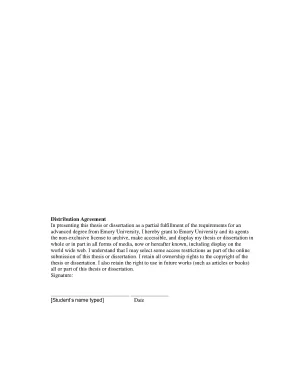
Tải xuống để đọc toàn bộDistribution Agreement In presenting this thesis or dissertation as a partial fulfillment of the requirements for an advanced degree from Emory University, I hereby grant to Emory University and its agents the non-exclusive license to archive, make accessible, and display my thesis or dissertation in whole or in part in all forms of media, now or hereafter known, including display on the world wide web. I understand that I may select some access restrictions as part of the online submission of this thesis or dissertation. I retain all ownership rights to the copyright of the thesis or dissertation. I also retain the right to use in future works (such as articles or books) all or part of this thesis or dissertation.
Signature: _____________________________ ______________ [Student’s name typed] Date Presence, Absence and Divine Vision. A Comparative Study of the Cántico espiritual and Rāsa Līlā By Gloria M. Hernández Doctor of Philosophy Graduate Program of Spanish and Portuguese _______________________________ María M. Carrión, PhD Advisor ______________________________ Laurie L.
Patton, PhD Committee Member _______________________________ José Quiroga, PhD Committee Member _______________________________ Luce López-Baralt, PhD Committee Member Accepted: _______________________________ Lisa A. Dean of the James T. Laney School of Graduate Studies ___________________________ Date Presence, Absence and Divine Vision A Comparative Study of the Cántico espiritual and Rāsa Līlā By Gloria Maité Hernández BFA Instituto Superior de Arte. Habana, Cuba Adviser: María M.
Carrión, PhD An abstract of A dissertation submitted to the Faculty of the James T. Laney School of Graduate Studies of Emory University in partial fulfillment of the requirement for the degree of Doctor of Philosophy Department of Spanish and Portuguese 2011 Abstract Presence, Absence and Divine Vision A Comparative Study of the Cántico espiritual and Rāsa Līlā By Gloria Maité Hernández This dissertation is a comparison of the Spanish sixteenth-century text and commentary of the Cántico espiritual by Juan de la Cruz with the Sanskrit text Rāsa Līlā (The dance of divine love), a poetical work derived from the Indian oral tradition between the ninth and the thirteenth centuries, along with Srīdhara Svāmi‘s commentary. The central argument of this dissertation is that it is possible to read the Cántico espiritual and Rāsa Līlā along each other, even when they are not historically or otherwise related, and that this comparison illumines aspects of the texts that are not so obvious outside the comparative frame. Through a strong interdisciplinary dialogue, I reexamine traditional assumptions about contextual circumstances for Spanish Early Modern mystical literature.
The notions of absence and presence of the divine introduce the dissertation in order to remind the reader that it is in the transitional space between one and the other where both texts indwell, and the impulse that moves from absent to presence and from presence to absence is precisely the desire to attain the divine vision. Presence, Absence and Divine Vision A Comparative Study of the Cántico espiritual and Rāsa Līlā By Gloria Maité Hernández BFA Instituto Superior de Arte. Habana, Cuba Adviser: María M. Carrión, PhD A dissertation submitted to the Faculty of the James T.
Laney School of Graduate Studies of Emory University in partial fulfillment of the requirement for the degree of Doctor of Philosophy Department of Spanish and Portuguese 2011 Acknowledgments My adviser María Mercedes Carrión has stubbornly believed in this project even, and especially, when I doubted. She read every word of this dissertation, reminding me of the pleasure of the text. Laurie Patton put aside time from her many Vedic disciplines to read Rāsa Līlā with me and to re-read my writings. She knows how to ask questions that become paths.
Luce López-Baralt‘s work and mentorship have been a source of inspiration. She always reminds me of José Martí‘s words to his son: estos riachuelos han pasado por mi corazón, lleguen al tuyo. José Quiroga has shared his joy of life and knowledge, as well as his love for the India he has not yet seen. I am especially indebted to him for the help writing the grant that allowed me to devote exclusive time to this dissertation.
I look up to Francis Clooney‘s work in the comparison of Christian and Vaiśṇava texts, and I am thankful for his advice and kindness. Tatjana Gajic supported this project since its beginnings, and I am grateful for her suggestion to read the work of José Ángel Valente. Meenal Kulkarni and Madhura Godbole, my Sanskrit teachers in Pune, have been an example of how to combine the love for Sanskrit and for teaching in its utmost form. Denise Hanusek devoted many hours to reading the commentaries of Juan de la Cruz with me.
Her life and work demonstrate that the language of mysticism is not limited to the language of men. My playwriting teacher in Cuba and good friend Silvia Ramos was the first one to tell me about the difference between saying and suggesting. She knows the hidden language of poetry. My friend and mentor Roberto Arellano helped me to leave the island that we both love, and has always being available for so many years.
Christopher Brooks has carefully read and revised these pages even in dreams. I am grateful to the students of the undergraduate seminar on Iberian Mysticism that I taught at Emory in the spring of 2010. Shirley, Rainey, Beth, Aparna, Jennifer, Ted and John, thanks for reading and sharing. Manuela Ceballos has read this dissertation and given me advice as only a good friend and scholar can do.
Omar Granados has been a brother in exile. Anastasia Valecce and Andrea Maizze have been best friends in times of need. René has filled these pages with silent music. My cousin Olga has always shared my love for poetry and writing.
My sister Isabel has also been my best friend. The faces of my niece Dania and my nephew Daniel have sparked an impulse to continue writing and dreaming. Triveni Popat and Donna Maurer have nourished me with motherly warmth in beautiful afternoons. My godmother Blanca Aurora has shared with me her life of prayer and love as an authentic Carmelite.
Swami Yogatmananda has been a fatherly teacher, an interlocutor, and a lover of Juan de la Cruz in translation. John Gianfrancesco has given me unconditional love and support. The writing of this dissertation was marked by the physical loss of my loving friend and first Sanskrit teacher, Pran Popat, and to his memory I write. TABLE OF CONTENTS Introduction: From Salamanca to Vrindāvan…………………………………….1 Chapter 1 Mysticism, Orientalism, and Comparison in the Field of Spanish Literature: A Critical Review…………………………………………………………….15 Chapter 2 Post Orientalist Inquiry, Interdisciplinary Dialogue and Methodology: The Texts and Their Contexts……………………………………………….62 Chapter 3 Presence, Absence, and Secret Meaning…………………………………….257 Bibliography……………………………………………………………………………279 Author’s Note This project rests strongly upon translation in order to bring texts from Spanish and Sanskrit to English speaking readers.
For the poem of the Cántico I have consulted the translation by Colin Thompson that appears in the Apendix to The Poet and the Mystic. For the commentaries by Juan de la Cruz to the Cántico I have consulted the translation by Kieran Kavanaugh and Otilio Rodríguez. For the text of Rāsa Līlā I have consulted the translation of Edwin Bryant in Krishna: The Beautiful Legend of God. For the commentaries by Srīdhara Svāmi on Rāsa Līlā I have not consulted any translation.
I have greatly relied upon the guidance of Meenal Kulkarni to read the Rāsa Līlā and the commentaries of Srīdhara Svāmi, as well as any other Sanskrit text cited here. I have ultimately decided to render the translations for what they are, exercises in interpretation. Unless otherwise noted, all quoted translations from Spanish and Sanskrit into English are mine. 1 Introduction: From Salamanca to Vrindāvan Words stand in the way, words are a window, we see by seeing through words, and by seeing through our efforts to treat them as words.
Francis Clooney, Seeing Through Texts The French philosopher Jacques Derrida says that an archive is a commencement where signs gather together. Although the story of this project did not begin in an archive, it is definitely marked by archival moments and a gathering of signs that inflected further desire and, inevitably, some fever. In the summer of 2006, I attended classes at the Old Library of the University of Salamanca to learn how to read medieval manuscripts. Two blocks away from the library is the Monasterio de San Andrés, where today‘s San Juan de la Cruz, then Juan de Santo Matía, lived as a novice from 1564 to 1568.
I was immersed in the feeling of walking in the same streets and seeing the same walls that Juan de Santo Matía had seen, and I had a last drop of naïve hope to find at least some anecdote from which I could construct the fiction of a relation between Juan de la Cruz and the Sanskrit Rāsa Līlā. One afternoon, I asked Don José Rincón, the archivero mayor of the library, if there were in those archives any document referring to India. Don José, whose kindness I had won in advance, showed me his big treasure: a facsimile edition of a sixteenth-century enameled Bible that the Jesuit missionaries had prepared with Aztec drawings in order to evangelize the inhabitants of today‘s Mexico. For Don José, the only possible ―India‖ that could inhabit the shelves of the archives in Salamanca was that of the Western ―Indians,‖ the Americas.
This event contains multiple levels of interpretation and a 2 proliferation of signs that are at work in the present research project. Derrida also says that ―archive‖ means commanding or ruling. And thus, the archive of Salamanca guards the traces of a rule that was erected in a great degree thanks to an exercise of comparison. One could argue that the Jesuit missionaries would never have been able to put together an Aztec Christian Bible without engaging the power of resemblances.
Their acts of comparison allowed them to come closer to their compared subjects and to create a bridge of communication in the first years of the Conquista. Furthermore, comparison also allowed them later on to disarticulate power and create dialogue. Since its archival beginnings, comparison renders itself comprehensible in actions of colonization and decolonization. The academic atmosphere of Salamanca during the second half of the sixteenth century was particularly marked by comparative enterprises.
First, the professor Martín Martínez de Cantalapiedra was, since 1561, in charge of the Colegio Trilingüe—founded in 1554—which taught Hebrew, Aramaic and Arabic.1 The documents regarding the Colegio Trilingüe are still in the archives and have been scrutinized by scholars like Luce López-Baralt, trying to shed light upon the Oriental mysteries of the poetry of Juan de la Cruz by arguing for a possible encounter of Juan de Santo Matía with the Arabic language. Cantalapiedra‘s objective was to create a bridge of comparison between the Latin translation of the Bible to which they had to adhere by command of the Holy Inquisition, and the texts as they had been originally written, including also the Arabic because, as López-Baralt observes, it had been used for the sake of comparison with its 1 For all these details I am relying on the detailed 2006 study by Luce López-Baralt, “A zaga de tu huella”: La enseñanza de las lenguas semíticas en Salamanca en tiempos de san Juan de la Cruz. 3 related Semitic languages (A zaga 21). Not surprisingly, Cantalapiedra‘s comparative project would lead to his juridical processing and incarceration in 1572 (A zaga 44).
Closely related to Cantalapiedra‘s project is the most famous ecclesiastic scandal of the sixteenth century, that of Professor Fray Luis de León, the Augustinian monk and theology professor who occupied the Cátedra de Santo Tomás at the Universidad de Salamanca, and who was put into prison for six years and processed in 1572 under the accusation of judaizante for having translated the Song of Songs from the Hebrew to the Spanish and given it to his cousin, the nun Isabel Osorio.
Nội dung được bảo vệ bản quyền — Tải xuống đầy đủ
Trích dẫn luận án này
Gloria Maité Hernández (2011). So sánh Cántico espiritual và Rāsa Līlā [Luận án tiến sĩ, Đại học Emory (James T. Laney School of Graduate Studies, Emory University)]. LuanAn.net. https://luanan.net/van-hoc/so-sanh-cantico-espiritual-va-ra-sa-li-la
Câu hỏi thường gặp
Luận án "So sánh Cántico espiritual và Rāsa Līlā" nghiên cứu về vấn đề gì?
Luận án: Presence absence and divine vision doctoral dissertation by gloria m hernández. Xem tóm tắt và tải về tại LuanAn.net
Luận án "So sánh Cántico espiritual và Rāsa Līlā" được bảo vệ tại trường nào?
Luận án này được bảo vệ tại Đại học Emory (James T. Laney School of Graduate Studies, Emory University). Năm bảo vệ: 2011.
Luận án "So sánh Cántico espiritual và Rāsa Līlā" thuộc chuyên ngành gì?
Luận án "So sánh Cántico espiritual và Rāsa Līlā" thuộc chuyên ngành Tiếng Tây Ban Nha và Bồ Đào Nha (Spanish and Portuguese). Danh mục: Văn Học.
Luận án "So sánh Cántico espiritual và Rāsa Līlā" có bao nhiêu trang?
Luận án "So sánh Cántico espiritual và Rāsa Līlā" có 303 trang. Bạn có thể xem trước một phần tài liệu ngay trên trang web trước khi tải về.
Cách tải luận án "So sánh Cántico espiritual và Rāsa Līlā" về máy như thế nào?
Để tải luận án về máy, bạn nhấn nút "Tải xuống ngay" trên trang này, sau đó hoàn tất thanh toán phí lưu trữ. File sẽ được tải xuống ngay sau khi thanh toán thành công. Hỗ trợ qua Zalo: 0559 297 239.