Luận án: Tối ưu hóa Liệu pháp Gene Lentiviral cho FHL3 - Sarah Takushi, Emory University
Liệu pháp gene lentiviral cho FHL3: Khám phá tiềm năng điều trị đột biến gen ảnh hưởng đến sức khỏe.
Emory University (James T. Laney School of Graduate Studies)
Immunology and Molecular Pathogenesis Program, Biological and Biomedical Sciences
Luan An
Luận án tiến sĩ
Năm xuất bản
Số trang
255
Thời gian đọc
39 phút
Lượt xem
0
Lượt tải
0
Phí lưu trữ
50 Point
Tổng quan nhanh
- Chủ đề:
- FHL3: Một Rối Loạn Miễn Dịch Nghiêm Trọng
- Số trang:
- 255 trang
- Trường:
- Emory University (James T. Laney School of Graduate Studies)
- Chuyên ngành:
- Immunology and Molecular Pathogenesis Program, Biological and Biomedical Sciences
- Tác giả:
- Sarah Takushi
- Năm:
- 2020
Tóm tắt nội dung luận án
I.FHL3 Một Rối Loạn Miễn Dịch Nghiêm Trọng
FHL3 (Familial Hemophagocytic Lymphohistiocytosis type 3) là một bệnh rối loạn miễn dịch nguyên phát. Nó đặc trưng bởi sốt, gan lách to, giảm tế bào máu. Nếu không được điều trị, FHL3 dẫn đến suy tạng và tử vong. Bệnh này gây ra bởi một đột biến gen duy nhất. Liệu pháp gene cung cấp một phương pháp điều trị mới. Nó nhắm vào nguyên nhân gốc rễ của bệnh. Các phương pháp điều trị truyền thống thường chỉ giải quyết triệu chứng. Liệu pháp gene hứa hẹn một giải pháp lâu dài. Nó có thể sửa chữa khiếm khuyết di truyền. Điều này mang lại hy vọng cho bệnh nhân FHL3.
1.1. Bệnh Lý FHL3 và Nguyên Nhân Gốc Rễ
FHL3 là một bệnh rối loạn miễn dịch nguyên phát. Nó còn được gọi là bệnh tăng bạch cầu lympho bào thực bào gia đình loại 3. Bệnh này đặc trưng bởi sốt, gan lách to, giảm tế bào máu. Nếu không được điều trị, FHL3 dẫn đến suy tạng và tử vong. Nguyên nhân cốt lõi của FHL3 là đột biến gen UNC13D. Đột biến này làm cho các tế bào gây độc không thể giải phóng các túi chứa chất gây độc. Điều này cản trở khả năng miễn dịch hiệu quả. FHL3 là một genetic disorder treatment đòi hỏi sự can thiệp kịp thời.
1.2. Hậu Quả Của Đột Biến Gen UNC13D
Đột biến gen UNC13D làm suy yếu chức năng miễn dịch. Các tế bào gây độc không thể tiêu diệt hiệu quả các tế bào bị nhiễm hoặc tế bào ung thư. Điều này dẫn đến tình trạng viêm mãn tính và hoạt hóa hệ thống miễn dịch quá mức. Tình trạng viêm không kiểm soát được gây tổn thương mô và cơ quan. Bệnh nhân FHL3 cần được chẩn đoán và điều trị kịp thời. Mục tiêu là ngăn chặn tổn thương vĩnh viễn và cứu sống bệnh nhân. Liệu pháp gene cung cấp một giải pháp tiềm năng. Liệu pháp này nhắm vào nguyên nhân di truyền của bệnh. Nó là một hình thức của immune dysregulation therapy.
II.Liệu Pháp Gene Lentiviral Nền Tảng Điều Trị Mới
Liệu pháp gene là việc đưa, loại bỏ, hoặc thay đổi mã di truyền của một người. Mục tiêu là điều trị hoặc ngăn ngừa bệnh. Nhiều loại liệu pháp gene khác nhau tồn tại. Một số liệu pháp biến đổi các loại tế bào cụ thể. Chúng tạo ra sự biểu hiện tạm thời của DNA lạ. Các liệu pháp khác tích hợp vĩnh viễn vào bộ gen của tế bào gốc. Điều này tạo ra thay đổi lâu dài cho tất cả các tế bào con cháu. Ban đầu, liệu pháp gene nhằm sửa chữa các bệnh do một gen lỗi duy nhất. Giờ đây, các nhà nghiên cứu phát triển sản phẩm liệu pháp gene cho các bệnh phức tạp. Ví dụ như ung thư, viêm khớp và HIV. Công nghệ viral vector technology đang phát triển nhanh chóng.
2.1. Khái Niệm Và Mục Tiêu Của Liệu Pháp Gene
Liệu pháp gene là việc đưa, loại bỏ, hoặc thay đổi mã di truyền của một người. Mục tiêu là điều trị hoặc ngăn ngừa bệnh. Nhiều loại liệu pháp gene khác nhau tồn tại. Một số liệu pháp biến đổi các loại tế bào cụ thể. Chúng tạo ra sự biểu hiện tạm thời của DNA lạ. Các liệu pháp khác tích hợp vĩnh viễn vào bộ gen của tế bào gốc. Điều này tạo ra thay đổi lâu dài cho tất cả các tế bào con cháu. Liệu pháp gene là một loại gene transfer therapy. Đây là một hướng tiếp cận mới trong genetic disorder treatment.
2.2. Ưu Điểm Của Vector Lentiviral Trong Điều Trị
Vector lentiviral là công cụ quan trọng trong liệu pháp gene. Chúng có khả năng tích hợp hiệu quả vào bộ gen tế bào. Điều này đảm bảo sự biểu hiện gen ổn định và lâu dài. Lentiviral vector có thể lây nhiễm nhiều loại tế bào. Chúng bao gồm các tế bào không phân chia và tế bào gốc. Điều này làm cho chúng trở thành lựa chọn lý tưởng cho liệu pháp gen tế bào gốc. Lĩnh vực liệu pháp gene đã trải qua sự phát triển nhanh chóng. FDA đã phê duyệt các liệu pháp gene đầu tiên ở Mỹ. Điều này báo hiệu tiềm năng chuyển dịch lâm sàng của lĩnh vực này. Công nghệ vector lentiviral đang dẫn đầu sự tiến bộ này.
III.Phương Pháp Điều Trị FHL3 Bằng Liệu Pháp Gene
Nghiên cứu này đánh giá hai phương pháp điều trị FHL3 bằng liệu pháp gene lentiviral. Cả hai phương pháp đều sử dụng vector lentiviral để đưa gen UNC13D chức năng vào tế bào. Mục tiêu là sửa chữa khiếm khuyết di truyền. Phương pháp đầu tiên tập trung vào tế bào gốc. Phương pháp thứ hai tập trung vào điều hòa miễn dịch qua tế bào T. Cả hai đều nhằm mục đích giải quyết nguyên nhân cơ bản của bệnh. Chúng cung cấp tiềm năng cho một gene transfer therapy hiệu quả. Mục tiêu cuối cùng là cải thiện chất lượng sống cho bệnh nhân FHL3. Đây là một dạng ex vivo gene correction đầy hứa hẹn.
3.1. Tiếp Cận Bằng Tế Bào Gốc Tạo Máu HSPC
Một phương pháp tiếp cận trong liệu pháp gene cho FHL3 là biến đổi tế bào gốc và tiền thân tạo máu (HSPC). Điều này được thực hiện thông qua ghép tế bào gốc tạo máu tự thân. HSPC của bệnh nhân được thu thập. Chúng được biến đổi gen ex vivo để sửa chữa đột biến UNC13D. Sau đó, các HSPC đã được sửa chữa được truyền trở lại bệnh nhân. Các tế bào này sẽ biệt hóa thành các tế bào miễn dịch chức năng. Chúng sẽ khôi phục khả năng giải phóng túi gây độc của tế bào gây độc. Cách tiếp cận này hướng tới việc sửa chữa vĩnh viễn khiếm khuyết di truyền. Mục tiêu là cung cấp một phương pháp điều trị lâu dài cho FHL3. Đây là một dạng HSC gene therapy.
3.2. Điều Hòa Miễn Dịch Qua Tế Bào T T cell
Phương pháp thứ hai tập trung vào việc giải quyết tình trạng viêm quá mức. Đây là đặc điểm phổ biến ở bệnh nhân FHL3. Bệnh nhân có thể được truyền tế bào T đã được biến đổi. Các tế bào T của bệnh nhân được thu thập và biến đổi gen ex vivo. Sau đó, chúng được truyền lại vào bệnh nhân. Mục tiêu là giải quyết nguyên nhân cơ bản của tình trạng viêm. Cách tiếp cận này nhằm mục đích điều hòa lại phản ứng miễn dịch. Nó giúp kiểm soát các triệu chứng của bệnh. Điều này có thể giảm thiểu tổn thương cơ quan. Cả hai phương pháp đều sử dụng lentiviral vector. Vector lentiviral mang gen UNC13D chức năng vào tế bào. Đây là một hình thức của immune dysregulation therapy.
IV.Tối Ưu Hóa Vector Lentiviral Cho Hiệu Quả Điều Trị
Để tối đa hóa cơ hội liệu pháp gene FHL3 được đưa vào thử nghiệm lâm sàng, cần tối ưu hóa. Nghiên cứu này tập trung vào việc cải thiện hiệu quả biến đổi gen. Nó bao gồm việc thay đổi các giao thức sản xuất lentiviral vector. Việc cô lập tế bào mục tiêu cũng được tối ưu hóa. Quy trình biến đổi gen được tinh chỉnh. Mục đích là tăng cường hiệu quả và an toàn của liệu pháp. Những nỗ lực tối ưu hóa này rất quan trọng. Chúng giúp đảm bảo tính khả thi và thành công của liệu pháp. Đây là bước cần thiết để đưa gene transfer therapy từ phòng thí nghiệm ra lâm sàng.
4.1. Cải Thiện Quy Trình Sản Xuất Vector Lentiviral
Tối ưu hóa là chìa khóa để đưa liệu pháp gene vào thử nghiệm lâm sàng. Một lĩnh vực tối ưu hóa là sản xuất lentiviral vector. Các giao thức sản xuất được điều chỉnh. Mục tiêu là tăng năng suất và độ tinh khiết của vector. Việc này đảm bảo đủ lượng vector cho điều trị. Nó cũng giảm thiểu các tạp chất có thể gây phản ứng miễn dịch. Cải thiện quy trình sản xuất trực tiếp ảnh hưởng đến hiệu quả của liệu pháp. Nó đảm bảo tính an toàn và khả dụng của sản phẩm. Đây là một phần quan trọng của viral vector technology.
4.2. Tối Ưu Hóa Phân Lập Tế Bào Mục Tiêu và Biến Đổi Gen
Hiệu quả biến đổi gen phụ thuộc vào nhiều yếu tố. Việc phân lập tế bào mục tiêu là rất quan trọng. Các giao thức phân lập được tinh chỉnh. Mục tiêu là thu được quần thể tế bào mục tiêu sạch và sống sót. Ví dụ, HSPC hoặc tế bào T. Sau đó, các điều kiện biến đổi gen được tối ưu hóa. Điều này bao gồm nồng độ vector và thời gian phơi nhiễm. Mục tiêu là đạt được tỷ lệ biến đổi gen cao nhất. Đồng thời duy trì khả năng sống sót và chức năng của tế bào. Những nỗ lực tối ưu hóa này rất cần thiết. Chúng tăng cường tiềm năng thành công của liệu pháp gene FHL3 và ex vivo gene correction.
V.Tương Lai Điều Trị FHL3 Bằng Liệu Pháp Gene
Công trình này cung cấp cái nhìn sâu sắc. Nó tập trung vào các chiến lược tối ưu hóa trong liệu pháp gene lentiviral. Những phát hiện này có thể được áp dụng rộng rãi. Chúng giúp phát triển các liệu pháp gene khác. Cụ thể hơn, công việc này hướng tới liệu pháp gene cho FHL3. Hy vọng rằng, nghiên cứu này sẽ mang lại lợi ích cho bệnh nhân FHL3. Nó mở ra cánh cửa cho các thử nghiệm lâm sàng. Mục tiêu cuối cùng là cung cấp một phương pháp điều trị hiệu quả. Liệu pháp này có thể thay đổi cuộc sống của những người mắc FHL3. Đây là một bước tiến quan trọng trong genetic disorder treatment.
5.1. Tiềm Năng Chuyển Giao Lâm Sàng Và Lợi Ích Bệnh Nhân
Công trình nghiên cứu này cung cấp cái nhìn sâu sắc. Nó tập trung vào các chiến lược tối ưu hóa trong liệu pháp gene lentiviral. Những phát hiện này có thể được áp dụng rộng rãi. Chúng giúp phát triển các liệu pháp gene khác. Cụ thể hơn, công việc này hướng tới liệu pháp gene cho FHL3. Hy vọng rằng, nghiên cứu này sẽ mang lại lợi ích cho bệnh nhân FHL3. Nó mở ra cánh cửa cho các thử nghiệm lâm sàng. Mục tiêu cuối cùng là cung cấp một phương pháp điều trị hiệu quả. Liệu pháp này có thể thay đổi cuộc sống của những người mắc FHL3. Đây là tiềm năng của gene transfer therapy.
5.2. Hướng Nghiên Cứu Tiếp Theo Và Các Thách Thức
Mặc dù có nhiều tiến bộ, liệu pháp gene vẫn đang trong giai đoạn đầu. Cần có thêm nghiên cứu và tối ưu hóa. Điều này bao gồm việc nâng cao tính an toàn và hiệu quả. Việc đảm bảo tích hợp gen chính xác là quan trọng. Giảm thiểu nguy cơ tác dụng phụ là ưu tiên hàng đầu. Nghiên cứu tiếp theo sẽ tập trung vào việc tinh chỉnh các vector. Nó cũng sẽ tập trung vào việc cải thiện kỹ thuật phân phối. Thách thức bao gồm sản xuất quy mô lớn. Đảm bảo khả năng tiếp cận và chi phí hợp lý cũng là một thách thức. Mục tiêu là biến liệu pháp gene thành hiện thực cho nhiều bệnh nhân hơn. Đây là mục tiêu của genetic disorder treatment và viral vector technology.
Mục lục chi tiết luận án
Tải xuống file đầy đủ để xem toàn bộ nội dung
Tải đầy đủ (255 trang)Trích đoạn nội dung luận án
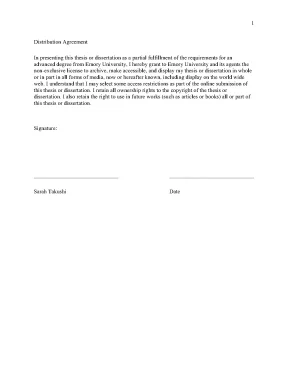
Tải xuống để đọc toàn bộ1 Distribution Agreement In presenting this thesis or dissertation as a partial fulfillment of the requirements for an advanced degree from Emory University, I hereby grant to Emory University and its agents the non-exclusive license to archive, make accessible, and display my thesis or dissertation in whole or in part in all forms of media, now or hereafter known, including display on the world wide web. I understand that I may select some access restrictions as part of the online submission of this thesis or dissertation. I retain all ownership rights to the copyright of the thesis or dissertation. I also retain the right to use in future works (such as articles or books) all or part of this thesis or dissertation.
Signature: ______________________________ ______________________________ Sarah Takushi Date 2 Optimization and Validation of Lentiviral Based Gene Therapy for FHL3 By Sarah Takushi Doctor of Philosophy Graduate Division of Biological and Biomedical Sciences Immunology and Molecular Pathogenesis Program __________________________________ H. Trent Spencer, PhD Advisor __________________________________ __________________________________ Christopher B. Doering, PhD David Archer, PhD Committee Member Committee Member __________________________________ __________________________________ Mandy Ford, PhD Sean Stowell, M./PhD Committee Member Committee Member Accepted: __________________________________ __________________________________ Lisa A. Tedesco, PhD Date Dean of the James T.
Laney School of Graduate Studies 3 Optimization and Validation of Lentiviral Based Gene Therapy for FHL3 By Sarah Takushi B., Illinois Wesleyan University, 2013 Advisor: H. Trent Spencer, PhD An abstract of a dissertation submitted to the Faculty of the James T. Laney School of Graduate Studies of Emory University in partial fulfillment of the requirements for the degree of Doctor of Philosophy in the Graduate Division of Biological and Biomedical Science, Immunology and Molecular Pathogenesis Program 2020 4 Abstract Optimization and Validation of Lentiviral Based Gene Therapy for FHL3 “Gene therapy” is the introduction, removal, or alteration of a person’s genetic code in order to treat or prevent disease. Many different sub-types of gene therapy exist.
Some therapies can modify specific cell types for transient expression of foreign DNA, and others integrate permanently into the genomes of stem cells and create lasting change across all the subsequently generated daughter cells. While originally envisioned to correct diseases that were caused by a single defective gene, researchers are now developing gene therapy products to combat complex diseases and disorders such as cancer, arthritis, and HIV. Compared to other disease interventions such as drug based therapies or vaccines, gene therapy is still in the early phases of development. The first successful report of human gene therapy was made less than thirty years ago, and the field has experienced distinct periods of rapid growth, setback, and re-acceleration.
Excitingly, within the last three years the FDA approved the first gene therapy for use in the USA, signaling that the translational potential of this field will be actualized. This dissertation focuses on the creation, validation, and optimization of a lentiviral based gene therapy for treating the primary immune disorder familial hemophagocytic lymphohistiocytosis Type III (FHL3). This disease, which is characterized by fever, hepatosplenomegaly, cytopenias, and, if left untreated, organ failure and death, is caused by a mutation to the UNC13D gene which renders cytotoxic cells incapable of degranulating cytolytic vesicles. Here we evaluated two lentiviral vector gene therapy approaches.
The first approach seeks to transduce hematopoietic stem and progenitor cells (HSPCs) for autologous hematopoietic stem cell transplant (HSCT). The second approach seeks to resolve the hyperinflammation common to most FHL3 patients by transducing the patient’s own T cells and re-infusing them back into the patient such that the underlying cause of inflammation could be resolved. Furthermore, in order to maximize the chances of this gene therapy making it to clinical trial, we have sought to optimize transduction efficiency by altering our protocols for lentiviral vector production, isolation of target cells, and transduction. Our hope is that this work provides insight into optimization strategies broadly used throughout the field of lentiviral gene therapy, and that our work pertaining specifically to FHL3 gene therapy might one day benefit patients.
5 Optimization and Validation of Lentiviral Based Gene Therapy for FHL3 By Sarah Takushi B., Illinois Wesleyan University, 2013 Advisor: H. Trent Spencer, PhD A dissertation submitted to the Faculty of the James T. Laney School of Graduate Studies of Emory University in partial fulfillment of the requirements for the degree of Doctor of Philosophy in the Graduate Division of Biological and Biomedical Science, Immunology and Molecular Pathogenesis. 2020 6 Acknowledgments It is with deep and sincere appreciation that I would like to thank Dr.
Trent Spencer for supporting my development as a scientist, for believing in me as a person, and for helping me find my way through the winding and ever-surprising journey that is graduate school. Thank you for adopting me when I was a wayward third-year graduate student, and giving me the tools to forge my own way. Thank you for the pre-dawn pow-wows, the after-midnight check-ins, and your willingness to offer guidance and support during all the hours in between. As a pillar of the Emory Gene Therapy program and an advisor on my committee, Dr.
Chris Doering has also helped guide every step of this project, sometimes even pointing out detours and alternative routes that I had not known even existed. Thank you for helping me untangle experimental problems, puzzle through inscrutable datasets, and never failing to bring the infectious, creative energy that makes biology both an art and a science. Though not formally an advisor to me, the HLH gene therapy program at Emory University would not exist without Dr. Shanmuganathan “Shan” Chandrakasan.
Shan combines clinical expertise with a deep understanding of immunology that has been inspiring for an immunology graduate student such as myself. Thank you for saving me years of my life that would have otherwise been spent trouble- shooting and head-scratching. None of this would be possible without you. Thank you as well to the other members of my committee: Dr.
David Archer, Dr. Mandy Ford, and Dr. I sincerely appreciate how each one of you helped me refine and develop my project. Thank you for keeping me focused on what would be the best use of my time.
Thank you for helping foster connection and mentorship—not just with me, but throughout the Emory community. Similarly, I would like to thank Dr. Nael McCarty and Ms. Tamara Hutto for their work with the Graduate Division of Biology and Biological Sciences, as well as through the Atlanta BEST program.
Both Nael and Tammy have an unshakable dedication to graduate students and helping them achieve self- actualization as well as professional success. The lessons they taught me about personal fulfillment and finding my own way are ones that I will never forget. Lastly and most important to me, I would like to thank my friends and family. Thank you, dear lab friends, for shouldering daunting workloads, pepping me up after setbacks, feeding me delicious food during viciously hangry moments, and helping me troubleshoot equipment in the wee hours of the morning.
Thank you to all the friends with whom I have spent time outside of lab for helping me find psychic pressure safety valves through which I can let off steam and find my center again. Finally, thank you to my family for being emotionally close despite being geographically distant. Though many of you have at one point or other confessed that “I don’t really get what you do,” it has meant everything to me that you have still believed that whatever it is, I can do it. 7 Table of Contents Abstract.
6 Table of Contents. 7 List of Tables. 14 List of Figures. 14 List of Abbreviations .1 A History of Gene Therapy and Retroviral Biology .1 What is Gene Therapy? .2 Discovery of Viral Mediated Gene Transfer .3 Nascent Gene Transfer Studies .4 Early Gene Therapy Successes (1970s – 1990s) .5 Gene Therapy Setbacks (1999 – early 2000s) .6 Recovery of Gene Therapy Research and the Beginning of Commercialization (2000s – present) .7 Retroviruses and Applications towards Ex Vivo Gene Transfer .2 An Introduction to HLH .2 Clinical Manifestations of HLH .4 Primary vs Secondary HLH .5 Treatment of HLH .6 Landmarks in HLH Research .1 Expression of the UNC13D gene .2 Regulation of the UNC13D gene.3 Structure of Munc13-4 Protein .4 Regulation of the Munc13-4 protein .5 Functions of Munc13-4 Protein .6 The FHL3 Mouse Model .7 Gene therapies with regards to FHL3.3 MATERIALS AND METHODS.
104 Lentiviral Vector Packaging and Titering. 104 9 Viral Copy Number (VCN) Analysis. 108 T-Cell Degranulation Assay. 108 Neutrophil degranulation assay.
110 Primary Cell and Cell Lines .01 Optimization of the lentiviral construct .02 Optimization of HSPC isolation .03 Design and validation of the codon-optimized-tCD271 lentiviral construct .04 The effect of transfection plasmid ratios on LV producer cells and transduced target cells .05 A comparison of different lentiviral vector purification methods .06 Primary human T cells do not maintain their CD271 expression over time .07 Microfluidics based transduction .08 The impact of Munc13-4 expression on transduction efficiency .09 A comparison of different transduction enhancers.10 Optimization of the T-cell degranulation assay .11 Neutrophil degranulation assay .01 Optimization of the lentiviral construct.02 Optimization of HSPC isolation .03 Design and validation of the codon-optimized-tCD271 lentiviral construct .04 The effect of transfection plasmid ratios on LV producer cells and transduced target cells .05 A comparison of different lentiviral vector purification methods .06 Primary human T cells do not maintain their CD271 expression over time .07 Microfluidics based transduction .08 The impact of Munc13-4 expression on transduction efficiency .09 A comparison of different transduction enhancers .10 Optimization of T-cell degranulation assay .11 Neutrophil degranulation assay .01 Stable expression of Munc13-4 in healthy donor cells .02 Transduction of FHL3 patient T cells .03 Identification of potentially therapeutic Munc13-4 expression levels .04 Gene transfer into the FHL3 disease mouse model .01 Stable expression of Munc13-4 in healthy donor cells .02 Transduction of FHL3 patient T cells .03 Identification of potentially therapeutic Munc13-4 expression levels .04 Gene transfer into the FHL3 disease mouse model .5 MATERIALS AND METHODS. 204 Lentiviral Vector Packaging and Titering. 206 Viral Copy Number (VCN) Analysis. 208 Primary Cell and Cell Lines .1 SUMMARY OF RESULTS .2 IMPLICATIONS OF FINDINGS .3 LIMITATIONS AND FUTURE DIRECTIONS.
229 14 List of Tables Table 1 Overview of the sub-categories of primary HLH and associated diseases. 46 Table 2 Prognosis of clinical HLH studies. 58 Table 3 Different clinical trials use different methods for calculating the quantity of lentiviral vector modified cells which will constitute a single dose or treatment. 100 Table 4 Transduction enhancers and their mechanism of action.
103 Table 5 Variations in TC degranulation protocols. 163 Table 6 Alternative flow gating strategies for neutrophils. We gated our neutrophils as being Ly6G+, but different murine neutrophils gating strategies exist. 169 Table 7 A comparison of in vitro murine neutrophil degranulation assay protocols.
169 List of Figures Figure 1. 211 17 List of Abbreviations 2B4 CD244 A-HLH Autoimmune hemophagocytic lymphohistiocytosis AAV Adeno-associated viruses ADA Adenosine deaminase ADA-SCID Adenosine deaminase severe combined immunodeficiency ADP Adenosine diphosphate AIDS Acquired immunodeficiency ALC Absolute lymphocyte counts ALL Acute lymphoblastic leukemia ALPS Autoimmune lymphoproliferative syndrome ANA Antinuclear antibody ANOVA ANalysis Of VAriance APC Antigen presenting cell ASGCT American Society of Gene and Cell Therapy AT Antithrombin ATTC American Type Culture Collection ATG Anti-thymocyte globulin Atg9b Autophagy Related 9B ATP Adenosine triphosphate B-LCL B cell large cell lymphoma Ba Barium BLAST Basic local alignment search tool.
Nội dung được bảo vệ bản quyền — Tải xuống đầy đủ
Trích dẫn luận án này
Sarah Takushi (2020). Liệu pháp Gene Lentiviral cho FHL3 [Luận án tiến sĩ, Emory University (James T. Laney School of Graduate Studies)]. LuanAn.net. https://luanan.net/y-hoc/toi-uu-hoa-lieu-phap-gene-lentiviral-cho-fhl3
Câu hỏi thường gặp
Luận án "Liệu pháp Gene Lentiviral cho FHL3" nghiên cứu về vấn đề gì?
Liệu pháp gene lentiviral cho FHL3: Khám phá tiềm năng điều trị đột biến gen ảnh hưởng đến sức khỏe.
Luận án "Liệu pháp Gene Lentiviral cho FHL3" được bảo vệ tại trường nào?
Luận án này được bảo vệ tại Emory University (James T. Laney School of Graduate Studies). Năm bảo vệ: 2020.
Luận án "Liệu pháp Gene Lentiviral cho FHL3" thuộc chuyên ngành gì?
Luận án "Liệu pháp Gene Lentiviral cho FHL3" thuộc chuyên ngành Immunology and Molecular Pathogenesis Program, Biological and Biomedical Sciences. Danh mục: Y Học.
Luận án "Liệu pháp Gene Lentiviral cho FHL3" có bao nhiêu trang?
Luận án "Liệu pháp Gene Lentiviral cho FHL3" có 255 trang. Bạn có thể xem trước một phần tài liệu ngay trên trang web trước khi tải về.
Cách tải luận án "Liệu pháp Gene Lentiviral cho FHL3" về máy như thế nào?
Để tải luận án về máy, bạn nhấn nút "Tải xuống ngay" trên trang này, sau đó hoàn tất thanh toán phí lưu trữ. File sẽ được tải xuống ngay sau khi thanh toán thành công. Hỗ trợ qua Zalo: 0559 297 239.