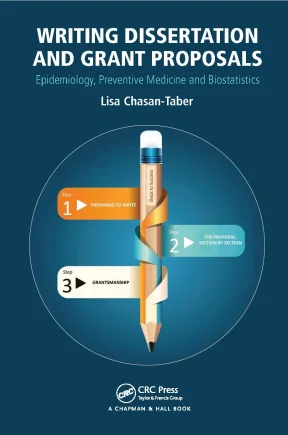
A Guide by Lisa Chasan-Taber: Writing Dissertation & Grant Proposals
Hướng dẫn toàn diện viết luận văn và đề xuất tài trợ, cung cấp kỹ năng thực tế cho nhà nghiên cứu.
Epidemiology, Preventive Medicine and Biostatistics
Luan An
sách
Năm xuất bản
Số trang
442
Thời gian đọc
1 giờ 7 phút
Lượt xem
1
Lượt tải
0
Phí lưu trữ
60 Point
Tổng quan nhanh
- Chủ đề:
- Hướng dẫn viết đề xuất nghiên cứu dịch tễ học
- Số trang:
- 442 trang
- Trường:
- University of Massachusetts Amherst
- Chuyên ngành:
- Epidemiology, Preventive Medicine and Biostatistics
- Tác giả:
- Lisa Chasan-Taber
- Năm:
- 2014
Tóm tắt nội dung luận án
I.Hướng dẫn viết đề xuất nghiên cứu dịch tễ học
Tài liệu này là cẩm nang toàn diện cho nhà nghiên cứu. Nó tập trung vào việc soạn thảo luận văn và đề xuất tài trợ hấp dẫn trong dịch tễ học, y học dự phòng, và thống kê sinh học. Nắm vững kỹ năng viết đề xuất là tối quan trọng để nhận được tài trợ và thăng tiến học thuật. Đề xuất tốt thể hiện sự hiểu biết rõ ràng về nghiên cứu phương pháp luận dịch tễ học. Chúng phác thảo lộ trình khả thi để giải quyết các vấn đề y tế công cộng quan trọng. Viết học thuật y tế công cộng hiệu quả là trọng tâm của quá trình này. Hướng dẫn nhấn mạnh lập kế hoạch chiến lược và thực hiện chi tiết.
1.1. Mục tiêu đề xuất luận văn và tài trợ
Đề xuất luận văn định nghĩa đóng góp ban đầu của sinh viên vào tri thức. Đề xuất tài trợ tìm kiếm kinh phí cho các dự án nghiên cứu cụ thể. Cả hai đều yêu cầu lý do mạnh mẽ và mục tiêu rõ ràng. Mục đích là thuyết phục người đánh giá về tầm quan trọng và tính khả thi của nghiên cứu. Hiểu rõ các mục tiêu riêng biệt này là nền tảng.
1.2. Các bước chuẩn bị cho nghiên cứu dịch tễ
Các bước ban đầu bao gồm việc lựa chọn một chủ đề luận văn tập trung. Điều này bao gồm việc xác định liệu có cần thu thập dữ liệu gốc hay không. Chọn một chủ tịch khoa có kinh nghiệm và một ủy ban luận văn hỗ trợ là rất quan trọng. Những quyết định sớm này định hình toàn bộ cấu trúc luận văn dịch tễ học. Chúng cung cấp hướng dẫn thiết yếu trong suốt hành trình nghiên cứu.
II.Mẹo thành công khi tạo đề xuất khoa học
Việc viết đề xuất thành công phụ thuộc vào việc thực hiện chiến lược. Phần này nêu bật các chiến lược chính để phát triển các đề xuất có tác động. Tuân thủ các mẹo này có thể tăng đáng kể tỷ lệ thành công khi nộp. Trọng tâm đặt vào sự rõ ràng, tầm nhìn xa và giao tiếp hiệu quả. Các nguyên tắc này áp dụng cho cả đơn xin tài trợ và viết khoa học dịch tễ học cho luận văn.
2.1. Tầm quan trọng của việc bắt đầu sớm và cố vấn
Bắt đầu quá trình viết từ sớm, trước thời hạn nộp. Bắt đầu sớm cho phép nghiên cứu kỹ lưỡng và nhiều lần chỉnh sửa. Tìm kiếm sự hướng dẫn từ một người cố vấn có kinh nghiệm. Người cố vấn cung cấp cái nhìn sâu sắc vô giá về các ưu tiên tài trợ và các đề xuất thành công trước đó. Xem xét các dự án đã được tài trợ trước đây để hiểu rõ kỳ vọng.
2.2. Trình bày rõ ràng và nhận phản hồi bên ngoài
Dành nhiều thời gian để soạn thảo tóm tắt và các mục tiêu cụ thể. Các phần này tóm tắt cốt lõi của dự án. Sử dụng hình và bảng biểu hiệu quả để truyền tải thông tin phức tạp một cách rõ ràng. Các phương tiện trực quan tăng cường sự hiểu biết. Ưu tiên xem xét từ bên ngoài trước khi nộp. Phản biện mang tính xây dựng làm cho đề xuất mạnh mẽ hơn. Đối xử với người đánh giá bằng sự tôn trọng. Điều này tạo điều kiện cho quá trình đánh giá công bằng.
III.Cấu trúc luận văn dịch tễ học từ ý tưởng đến hoàn thành
Một cấu trúc luận văn dịch tễ học được xác định rõ là tối quan trọng. Khung này hướng dẫn hành trình nghiên cứu từ khi bắt đầu đến khi bảo vệ. Hiểu rõ từng giai đoạn đảm bảo một công trình nghiên cứu mạch lạc và có thể bảo vệ được. Đề xuất luận văn đóng vai trò là một hợp đồng. Nó phác thảo phạm vi, phương pháp và kết quả dự kiến. Phương pháp tiếp cận có hệ thống này rất quan trọng cho viết học thuật y tế công cộng.
3.1. Các giai đoạn phát triển đề xuất luận văn
Quá trình bắt đầu với các kỳ thi sơ bộ. Sau đó, chọn một chủ đề luận văn hấp dẫn và khả thi. Cân nhắc liệu có cần thu thập dữ liệu gốc hay không. Chọn chủ tịch luận văn và các thành viên ủy ban cẩn thận. Những cá nhân này cung cấp chuyên môn và hỗ trợ. Hướng dẫn của họ định hình thiết kế nghiên cứu dịch tễ học.
3.2. Vai trò của ủy ban và bảo vệ đề xuất
Ủy ban luận văn đưa ra phản hồi và giám sát quan trọng. Cân bằng trách nhiệm giữa chủ tịch và các thành viên ủy ban. Buổi bảo vệ đề xuất là một bài trình bày chính thức. Nó xác nhận kế hoạch nghiên cứu. Sau khi bảo vệ, nộp đề xuất lên trường sau đại học. Điều này chính thức hóa việc thực hiện nghiên cứu. Cuối cùng, tiến hành nghiên cứu, bảo vệ luận văn và nộp tài liệu cuối cùng.
IV.Thiết kế nghiên cứu phát triển giả thuyết dịch tễ
Một thiết kế nghiên cứu dịch tễ học mạnh mẽ dựa vào các giả thuyết được xây dựng tốt. Giả thuyết thúc đẩy quá trình nghiên cứu. Chúng cung cấp các tuyên bố có thể kiểm chứng về mối quan hệ giữa các biến. Phần này khám phá sự cần thiết và nghệ thuật phát triển các giả thuyết rõ ràng, có thể đo lường được. Việc tạo ra giả thuyết hiệu quả là cơ bản cho nghiên cứu phương pháp luận dịch tễ học vững chắc.
4.1. Nhu cầu giả thuyết trong thiết kế nghiên cứu dịch tễ
Giả thuyết là điều cần thiết. Chúng hướng dẫn thu thập và phân tích dữ liệu. Phân biệt giữa các mục tiêu cụ thể và giả thuyết. Giả thuyết đại diện cho các kết quả mong đợi. Các mục tiêu cụ thể mô tả cách đạt được những kết quả đó. Giả thuyết phải tuân theo logic từ phần nền tảng và ý nghĩa. Điều này đảm bảo tính liên quan theo ngữ cảnh.
4.2. Nguyên tắc viết giả thuyết đo lường hiệu quả
Một giả thuyết nghiên cứu phải nêu tên các biến độc lập và phụ thuộc. Nó nên chỉ ra mối quan hệ mong đợi. Nêu phơi nhiễm trước kết quả. Xác định rõ ràng nhóm so sánh. Chỉ định quần thể mục tiêu khi áp dụng. Giữ giả thuyết ngắn gọn, sử dụng các thuật ngữ có thể đo lường được. Tránh đưa ra các dự đoán thống kê chính xác trong chính tuyên bố giả thuyết. Sự chặt chẽ này hỗ trợ phân tích dữ liệu dịch tễ học và cung cấp thông tin cho các cân nhắc về thống kê sinh học cho dịch tễ học sau này.
Mục lục chi tiết luận án
Tải xuống file đầy đủ để xem toàn bộ nội dung
Tải đầy đủ (442 trang)Nội dung chính
Tuyệt vời! Dưới đây là nội dung SEO chuyên sâu cho giáo trình "WRITING DISSERTATION AND GRANT PROPOSALS Epidemiology, Preventive Medicine and Biostatistics" của tác giả Lisa Chasan-Taber, được tối ưu hóa theo yêu cầu của bạn.
Giáo trình Viết Đề Cương Luận Văn và Đề Xuất Nghiên Cứu: Từ Lý Thuyết đến Thực Tiễn Thành Công trong Dịch tễ học, Y học Dự phòng và Thống kê Sinh học
Tổng quan về giáo trình (295 từ)
Giáo trình "WRITING DISSERTATION AND GRANT PROPOSALS Epidemiology, Preventive Medicine and Biostatistics" của Giáo sư Lisa Chasan-Taber là một nguồn tài liệu toàn diện và thiết yếu, định vị tại trung tâm của chương trình đào tạo sau đại học trong các lĩnh vực Dịch tễ học, Y học Dự phòng và Thống kê Sinh học. Được xuất bản bởi CRC Press (Taylor & Francis Group) vào năm 2014, cuốn sách này không chỉ là một giáo trình thông thường mà còn là kim chỉ nam chiến lược cho những ai khao khát biến ý tưởng nghiên cứu thành những đề xuất luận văn tiến sĩ và đề xuất xin tài trợ thành công.
Mục tiêu học tập chính của giáo trình là trang bị cho người học khả năng (learning outcomes):
- Nắm vững cấu trúc và các thành phần cốt lõi của một đề xuất nghiên cứu chất lượng cao.
- Phát triển kỹ năng tư duy phản biện để xác định khoảng trống nghiên cứu và xây dựng giả thuyết thuyết phục.
- Hoàn thiện phong cách viết khoa học rõ ràng, chính xác và có sức thuyết phục.
- Nắm bắt các chiến lược "grantsmanship" hiệu quả để tìm kiếm, nộp và bảo vệ đề xuất tài trợ thành công, đặc biệt với các tổ chức như Viện Y tế Quốc gia Hoa Kỳ (NIH).
- Thấu hiểu quy trình xét duyệt và phản hồi các đánh giá một cách chiến lược.
Giáo trình được cấu trúc theo cách tiếp cận từng bước ("from soup to nuts"), hướng dẫn người đọc qua mọi giai đoạn, từ khâu chuẩn bị ban đầu đến khi hoàn tất và bảo vệ đề xuất. Điểm đặc sắc nổi bật nhất của giáo trình này chính là việc tích hợp sâu rộng các ví dụ minh họa có chú thích từ các đề xuất đã được tài trợ thành công, cùng với các "mẹo hàng đầu" và "checklist" giúp người học tránh những lỗi thường gặp. Kinh nghiệm phong phú của tác giả, Giáo sư Lisa Chasan-Taber – một nhà dịch tễ học sinh sản được tài trợ liên tục bởi NIH và từng là thành viên hội đồng xét duyệt NIH – đảm bảo tính thực tiễn và giá trị chuyên môn cao cho cuốn sách này, biến nó thành một "sách dạy nấu ăn ảo" (virtual cookbook) cho các đề xuất thành công.
Nội dung kiến thức cốt lõi (580 từ)
Giáo trình "Writing Dissertation and Grant Proposals" xây dựng một lộ trình học tập logic và có hệ thống, đi từ những nguyên tắc cơ bản đến các chiến lược nâng cao trong việc xây dựng đề xuất nghiên cứu.
Các chương/chủ đề chính
Giáo trình được chia thành ba phần chính, bao gồm 20 chương, mỗi chương tập trung vào một khía cạnh cụ thể nhưng liên kết chặt chẽ với nhau:
-
Phần Một: Chuẩn Bị Viết Đề Xuất (Preparing to Write the Proposal)
- Tổng quan 10 lời khuyên hàng đầu: Giới thiệu những nguyên tắc cốt lõi để thành công, nhấn mạnh tầm quan trọng của việc bắt đầu sớm, tìm kiếm cố vấn, và hiểu rõ đối tượng mục tiêu.
- Bắt đầu Đề cương Luận văn: Hướng dẫn chọn đề tài, thành lập ủy ban luận văn, và hiểu mục đích của đề cương.
- Phát triển và Viết Giả thuyết: Phân biệt giả thuyết và mục tiêu cụ thể, cách viết giả thuyết rõ ràng, có thể đo lường được, và logic từ nền tảng nghiên cứu.
- Tiến hành Tìm kiếm Tài liệu: Các loại tài liệu cần tìm, cách tổ chức và tổng hợp tài liệu để xác định khoảng trống nghiên cứu.
- Viết Khoa học: Các nguyên tắc viết rõ ràng, súc tích, tránh biệt ngữ, sử dụng giọng văn chủ động và các mẹo định dạng.
- Key Concepts: Tầm quan trọng của người cố vấn (mentor), xây dựng tầm nhìn nghiên cứu dài hạn, tránh các mục tiêu phụ thuộc lẫn nhau (interdependent aims), kỹ năng tổng hợp và viết rõ ràng.
- Progression Logic: Từ định hình ý tưởng và chuẩn bị nền tảng kiến thức đến các kỹ năng viết cơ bản.
-
Phần Hai: Các Phần của Đề Xuất (The Proposal: Section by Section)
- Mục tiêu Cụ thể (Specific Aims): Đây là phần quan trọng nhất, hướng dẫn cách viết mục tiêu cụ thể, súc tích, thể hiện rõ khoảng trống nghiên cứu và sự đổi mới.
- Bối cảnh và Ý nghĩa (Background and Significance): Cách trình bày tác động y tế công cộng, sinh lý học, dịch tễ học của mối quan hệ phơi nhiễm-kết cục, và làm nổi bật khoảng trống nghiên cứu.
- Nghiên cứu Sơ bộ (Preliminary Studies): Trình bày dữ liệu sơ bộ để chứng minh tính khả thi và năng lực của nhóm nghiên cứu.
- Thiết kế Nghiên cứu và Phương pháp (Study Design and Methods): Mô tả chi tiết thiết kế, quần thể nghiên cứu, đánh giá phơi nhiễm và kết cục, kiểm soát các biến nhiễu.
- Kế hoạch Phân tích Dữ liệu (Data Analysis Plan): Cách lập kế hoạch phân tích từng mục tiêu cụ thể, từ phân tích đơn biến, song biến đến đa biến.
- Độ mạnh và Cỡ mẫu (Power and Sample Size): Hướng dẫn tính toán cỡ mẫu cần thiết để đạt độ mạnh thống kê mong muốn.
- Đánh giá Sai lệch và Nhiễu (Review of Bias and Confounding): Hiểu và nhận diện các loại sai lệch và yếu tố nhiễu trong nghiên cứu dịch tễ học.
- Trình bày Hạn chế và Giải pháp (How to Present Limitations and Alternatives): Chiến lược trình bày các hạn chế của nghiên cứu và đề xuất các giải pháp khắc phục.
- Nghiên cứu Tái lập và Độ giá trị (Reproducibility and Validity Studies): Tầm quan trọng của các nghiên cứu này và cách trình bày chúng.
- Tóm tắt và Tiêu đề (Abstracts and Titles): Nghệ thuật viết tóm tắt và tiêu đề hấp dẫn, nắm bắt được cốt lõi đề xuất.
- Trình bày Đề xuất Miệng (Presenting Your Proposal Orally): Kỹ năng chuẩn bị slide, nội dung và phong thái thuyết trình.
- Key Concepts: Sự liên kết chặt chẽ giữa mục tiêu, phương pháp và kế hoạch phân tích; tầm quan trọng của dữ liệu sơ bộ; kỹ năng ước tính cỡ mẫu; khả năng nhận diện và xử lý các hạn chế.
- Progression Logic: Từ việc xác định rõ ràng mục tiêu đến việc xây dựng toàn bộ các phần chi tiết của một đề xuất nghiên cứu, đảm bảo tính nhất quán và chặt chẽ.
-
Phần Ba: Kỹ Năng Xin Tài Trợ (Grantsmanship)
- Chọn Nguồn Tài trợ Phù hợp: Phát triển kế hoạch xin tài trợ, xác định các cơ chế tài trợ phù hợp (ví dụ: NIH F, K, R series).
- Nộp Đề xuất Tài trợ: Chuẩn bị hồ sơ, vai trò của cố vấn và đồng nghiên cứu viên, các bước nộp hồ sơ.
- Quy trình Xét duyệt (Review Process): Hiểu cách các hội đồng xét duyệt hoạt động, tiêu chí đánh giá và những lý do phổ biến khiến đề xuất bị từ chối.
- Gửi lại Đề xuất Tài trợ (Resubmission of the Grant Proposal): Chiến lược phản hồi các bình luận của hội đồng xét duyệt để tối đa hóa cơ hội được tài trợ trong lần gửi lại.
- Key Concepts: Xây dựng lộ trình tài trợ từ nhỏ đến lớn, tầm quan trọng của đội ngũ nghiên cứu, hiểu biết về quy trình và tiêu chí xét duyệt của các tổ chức tài trợ.
- Progression Logic: Cung cấp cái nhìn tổng quan về bối cảnh xin tài trợ, từ việc lựa chọn nguồn đến quản lý toàn bộ quy trình, kể cả khi đề xuất cần được chỉnh sửa và gửi lại.
Kiến thức nền tảng được xây dựng
Giáo trình này không dạy lại kiến thức nền tảng về phương pháp nghiên cứu, dịch tễ học hoặc thống kê. Thay vào đó, nó xây dựng dựa trên những kiến thức này để giúp người học áp dụng chúng vào việc viết đề xuất:
- Fundamental Theories (Lý thuyết nền tảng): Các nguyên lý cơ bản của dịch tễ học (ví dụ: nhân quả, bệnh học), y học dự phòng (ví dụ: các cấp độ phòng ngừa), và thống kê sinh học (ví dụ: suy luận thống kê).
- Core Principles (Nguyên tắc cốt lõi): Các nguyên tắc của thiết kế nghiên cứu (cohort, case-control, cross-sectional, thử nghiệm lâm sàng), đo lường (độ tái lập, độ giá trị), và phân tích dữ liệu.
- Essential Frameworks (Khung khái niệm thiết yếu): Hiểu rõ các khung phân tích như yếu tố nguy cơ, yếu tố bảo vệ, tác động tương hỗ (effect modification) và yếu tố gây nhiễu (confounding).
Kỹ năng phát triển
Cuốn sách tập trung vào việc phát triển các kỹ năng thực tế, cần thiết cho một nhà khoa học thành công:
- Technical Skills (Kỹ năng chuyên môn):
- Viết đề cương luận văn và đề xuất tài trợ theo cấu trúc chuẩn.
- Tìm kiếm, đánh giá và tổng hợp tài liệu khoa học một cách hiệu quả.
- Xây dựng giả thuyết và mục tiêu nghiên cứu rõ ràng, đo lường được.
- Mô tả chi tiết thiết kế nghiên cứu, quy trình thu thập dữ liệu và phương pháp đo lường.
- Lập kế hoạch phân tích dữ liệu thống kê phù hợp với mục tiêu nghiên cứu.
- Tính toán độ mạnh và cỡ mẫu cho các thiết kế nghiên cứu khác nhau.
- Sử dụng các công cụ và phần mềm hỗ trợ viết và trình bày.
- Analytical Skills (Kỹ năng phân tích):
- Xác định và phân tích khoảng trống trong nghiên cứu hiện có.
- Đánh giá tính hợp lý và khả thi của một ý tưởng nghiên cứu.
- Nhận diện, phân tích và đề xuất giải pháp cho các sai lệch (bias) và yếu tố nhiễu (confounding).
- Diễn giải kết quả nghiên cứu sơ bộ và kết nối chúng với đề xuất mới.
- Đánh giá một đề xuất nghiên cứu từ góc độ của một thành viên hội đồng xét duyệt.
- Practical Competencies (Năng lực thực tiễn):
- Hợp tác hiệu quả với cố vấn (mentors) và đồng nghiên cứu viên (coinvestigators).
- Trình bày đề xuất nghiên cứu một cách rõ ràng và thuyết phục trước hội đồng (oral presentation).
- Phản hồi một cách chiến lược các nhận xét và phê bình từ hội đồng xét duyệt.
- Phát triển kế hoạch xin tài trợ dài hạn (grant funding plan) và lựa chọn nguồn tài trợ phù hợp.
- Quản lý quy trình nộp và gửi lại đề xuất tài trợ.
- Xây dựng danh mục nghiên cứu (research portfolio) bền vững.
Phương pháp giảng dạy và học tập (320 từ)
Giáo trình "Writing Dissertation and Grant Proposals" được thiết kế với một cách tiếp cận sư phạm mạnh mẽ, khuyến khích người học chủ động tham gia và áp dụng kiến thức vào thực tế.
Pedagogical approach (Tiếp cận sư phạm): Cuốn sách áp dụng phương pháp học tập dựa trên ví dụ (example-based learning) và giải quyết vấn đề (problem-solving). Tác giả Chasan-Taber ví giáo trình như một "sách dạy nấu ăn" (cookbook), cung cấp công thức, nguyên liệu và các bước chi tiết để "chế biến" một đề xuất nghiên cứu thành công. Thay vì chỉ trình bày lý thuyết khô khan, mỗi khái niệm được minh họa bằng các đoạn trích từ các đề xuất đã được tài trợ thành công, giúp người học hình dung rõ ràng về cách áp dụng các nguyên tắc viết khoa học và chiến lược xin tài trợ trong bối cảnh thực tế.
Bài tập và case studies (Bài tập và tình huống nghiên cứu): Giáo trình lồng ghép nhiều bài tập thực hành và tình huống nghiên cứu xuyên suốt các chương. Các "case studies" này thường xoay quanh việc phân tích các ví dụ về đề xuất, chỉ ra những điểm mạnh cần phát huy và những hạn chế cần tránh. Ví dụ, cuốn sách cung cấp các "checklist" chi tiết ở cuối mỗi chương, giúp người học tự đánh giá và chỉnh sửa đề xuất của mình. Các bài tập có thể bao gồm:
- Phát triển một tập hợp các giả thuyết và mục tiêu cụ thể từ một ý tưởng nghiên cứu sơ khai.
- Xây dựng dàn ý chi tiết cho phần "Bối cảnh và Ý nghĩa".
- Thiết kế bảng tóm tắt tài liệu hoặc bảng mẫu (mock tables) cho kế hoạch phân tích dữ liệu.
- Phân tích và phản hồi các bình luận giả định từ hội đồng xét duyệt.
Practical exercises (Bài tập thực hành): Giáo trình khuyến khích người học thực hành viết từng phần của đề xuất, từ tóm tắt, mục tiêu cụ thể, đến phương pháp và kế hoạch phân tích. Các bài tập này thường có tính chất lặp lại (iterative process), cho phép người học viết nháp, nhận phản hồi (từ cố vấn hoặc bạn bè) và chỉnh sửa để hoàn thiện. Việc này đặc biệt quan trọng để xây dựng kỹ năng viết rõ ràng, súc tích và có tính thuyết phục.
Assessment methods (Phương pháp đánh giá): Việc đánh giá sự tiến bộ của người học có thể được thực hiện thông qua:
- Đánh giá đề xuất viết tay: Giảng viên đánh giá các phần của đề xuất mà sinh viên đã viết dựa trên các tiêu chí trình bày trong sách.
- Thuyết trình miệng (mock proposal defense): Sinh viên trình bày đề xuất của mình trước một hội đồng giả định, mô phỏng quy trình bảo vệ đề cương luận văn hoặc trình bày đề xuất tài trợ.
- Phân tích và phản hồi bình luận: Khả năng của sinh viên trong việc phân tích các bình luận từ "hội đồng xét duyệt ảo" và điều chỉnh đề xuất một cách hợp lý.
Self-study guidelines (Hướng dẫn tự học): Đối với những người tự học, giáo trình khuyến nghị:
- Đọc kỹ từng chương: Tập trung vào các mẹo và checklist.
- Áp dụng ngay: Cố gắng viết các phần của đề xuất riêng mình sau mỗi chương.
- Tìm kiếm phản hồi: Chia sẻ bản nháp với bạn bè, đồng nghiệp hoặc cố vấn (nếu có).
- Tham khảo ví dụ: Nghiên cứu sâu các ví dụ trong sách và các đề xuất đã được tài trợ khác (ví dụ: trên NIH Reporter).
- Thực hành lặp lại: Viết là một quá trình lặp đi lặp lại; đừng ngại chỉnh sửa và làm lại.
Điểm nổi bật và cập nhật (290 từ)
Mặc dù được xuất bản vào năm 2014, "WRITING DISSERTATION AND GRANT PROPOSALS" của Lisa Chasan-Taber vẫn giữ vững giá trị là một giáo trình nền tảng, cung cấp những nguyên tắc và chiến lược không lỗi thời, đặc biệt quan trọng trong bối cảnh nghiên cứu và xin tài trợ luôn biến đổi.
Updates so với editions cũ và tính thời sự: Là một ấn bản quan trọng tại thời điểm ra mắt, cuốn sách đã tổng hợp và trình bày các chiến lược viết đề xuất hiệu quả nhất dựa trên các quy trình xét duyệt tài trợ mới nhất của NIH vào thời điểm đó. Điều này bao gồm sự thay đổi trong tiêu chí đánh giá, với trọng tâm ngày càng lớn vào "tác động tổng thể" (overall impact) của nghiên cứu – một yếu tố then chốt vẫn được duy trì cho đến ngày nay. Dù các quy định cụ thể của các cơ quan tài trợ có thể có những điều chỉnh nhỏ theo thời gian, những nguyên tắc cốt lõi về cấu trúc đề xuất, viết khoa học, và cách tiếp cận chiến lược được trình bày trong sách vẫn giữ nguyên giá trị và là nền tảng vững chắc cho bất kỳ ai.
Current trends được integrate (Các xu hướng hiện tại được tích hợp): Giáo trình đã tích hợp các xu hướng quan trọng trong "grantsmanship" và nghiên cứu khoa học:
- Tầm quan trọng của mentorship: Nhấn mạnh vai trò không thể thiếu của người cố vấn trong việc định hình sự nghiệp nghiên cứu và dẫn dắt trong quá trình viết đề xuất.
- Chiến lược xây dựng danh mục tài trợ: Hướng dẫn cách phát triển lộ trình xin tài trợ từ các khoản tài trợ nhỏ đến các khoản lớn hơn (ví dụ: từ F series, K series đến R01 của NIH).
- Hợp tác liên ngành: Khuyến khích việc xây dựng đội ngũ nghiên cứu đa chuyên môn để tăng cường tính khả thi và tác động của đề xuất.
- Ứng dụng công nghệ: Mặc dù xuất bản 2014, cuốn sách đã đề cập đến việc sử dụng các tài nguyên trực tuyến như NIH Reporter để tìm kiếm cơ hội tài trợ và nghiên cứu các đề xuất thành công.
Real-world applications (Ứng dụng thực tiễn): Điểm mạnh cốt lõi của giáo trình là tính ứng dụng thực tiễn cao:
- Ví dụ từ đề xuất được tài trợ: Các đoạn trích có chú thích từ các đề xuất đã thành công mang đến cái nhìn cụ thể về cách áp dụng lý thuyết vào thực tế.
- Kinh nghiệm của tác giả: Giáo sư Lisa Chasan-Taber chia sẻ trực tiếp kinh nghiệm của một nhà khoa học được NIH tài trợ liên tục và một thành viên hội đồng xét duyệt, giúp người đọc hiểu rõ "tư duy" của nhà tài trợ và cách các đề xuất được đánh giá.
- "Do’s and Don’ts" và "Checklist": Cung cấp các hướng dẫn rõ ràng về những điều nên làm và nên tránh, cùng các danh sách kiểm tra giúp đảm bảo mọi yếu tố quan trọng đều được đề cập.
Industry connections (Kết nối với ngành): Giáo trình tập trung mạnh mẽ vào quy trình xin tài trợ của NIH, tổ chức tài trợ nghiên cứu y sinh lớn nhất thế giới. Điều này đảm bảo rằng các nguyên tắc và chiến lược được học có tính liên quan trực tiếp đến các tiêu chuẩn và kỳ vọng của một trong những cơ quan tài trợ quan trọng nhất. Đồng thời, cuốn sách cũng khẳng định rằng các nguyên tắc này có thể áp dụng rộng rãi cho các cơ quan tài trợ liên bang, tiểu bang và các quỹ tư nhân khác, giúp người học mở rộng cơ hội tìm kiếm nguồn lực cho nghiên cứu của mình.
Đối tượng sử dụng giáo trình (240 từ)
Giáo trình "WRITING DISSERTATION AND GRANT PROPOSALS Epidemiology, Preventive Medicine and Biostatistics" được thiết kế để phục vụ một phạm vi rộng các đối tượng trong cộng đồng học thuật và nghiên cứu, đặc biệt là những người làm việc trong lĩnh vực khoa học sức khỏe.
Sinh viên năm mấy/ngành nào: Cuốn sách này là tài liệu cốt yếu dành cho:
- Sinh viên sau đại học (Thạc sĩ, Nghiên cứu sinh Tiến sĩ): Đặc biệt trong các ngành Dịch tễ học, Y học Dự phòng, Thống kê Sinh học, Y tế Công cộng, Khoa học Sức khỏe, và các lĩnh vực nghiên cứu lâm sàng liên quan. Đây là những đối tượng cần viết đề cương luận văn hoặc đề xuất nghiên cứu để hoàn thành bằng cấp.
- Sinh viên y khoa/Bác sĩ nội trú: Những người bắt đầu tham gia vào nghiên cứu khoa học và cần học cách xây dựng đề xuất dự án.
- Nghiên cứu sinh sau tiến sĩ (Postdoctoral Fellows): Đang tìm kiếm các khoản tài trợ cá nhân (ví dụ: NIH F32) để thiết lập sự nghiệp nghiên cứu độc lập.
Prerequisites cần có (Kiến thức nền tảng cần thiết): Giáo trình này không phải là sách giáo khoa về phương pháp nghiên cứu hay thống kê. Thay vào đó, nó giả định rằng người đọc đã có kiến thức nền tảng vững chắc về:
- Phương pháp nghiên cứu định lượng (bao gồm các loại thiết kế nghiên cứu).
- Các nguyên lý cơ bản của dịch tễ học.
- Thống kê sinh học cơ bản (bao gồm các khái niệm về kiểm định giả thuyết, p-value, khoảng tin cậy, phân tích hồi quy). Mục tiêu của sách là hướng dẫn cách trình bày những kiến thức này trong một đề xuất, chứ không phải dạy lại chúng.
Giảng viên và cách sử dụng:
- Giáo trình chính: Là tài liệu lý tưởng cho các khóa học chuyên biệt về "Viết Đề xuất Nghiên cứu" hoặc "Kỹ năng Xin tài trợ" ở cấp độ sau đại học. Giảng viên có thể sử dụng cấu trúc, ví dụ và bài tập trong sách để xây dựng nội dung khóa học.
- Tài liệu bổ trợ: Có thể dùng kèm với các khóa học về phương pháp nghiên cứu, dịch tễ học, y học dự phòng, thống kê hoặc sức khỏe cộng đồng để bổ sung kỹ năng viết và xin tài trợ. Giảng viên có thể giao các chương cụ thể làm bài đọc bắt buộc hoặc tài liệu tham khảo.
Tự học và reference (Tự học và tham khảo): Ngoài ra, giáo trình là nguồn tài liệu quý giá cho:
- Giảng viên/Nghiên cứu viên có kinh nghiệm: Những người muốn nâng cao tỷ lệ thành công khi xin tài trợ NIH hoặc các quỹ lớn khác.
- Chuyên gia y tế công cộng và y tế khác: Những người cần viết các đề xuất dự án, báo cáo hoặc các tài liệu khoa học khác trong công việc của mình.
- Bất kỳ ai: Đang tìm kiếm hướng dẫn chi tiết, thực tế và chiến lược để chuyển đổi ý tưởng thành một đề xuất nghiên cứu có sức thuyết phục.
Câu hỏi thường gặp (280 từ)
Dưới đây là một số câu hỏi thường gặp về giáo trình "Writing Dissertation and Grant Proposals: Epidemiology, Preventive Medicine and Biostatistics" và các câu trả lời chi tiết.
1. Giáo trình này phù hợp với ai? Giáo trình này phù hợp với sinh viên sau đại học (Thạc sĩ, Nghiên cứu sinh Tiến sĩ) trong các lĩnh vực Dịch tễ học, Y học Dự phòng, Thống kê Sinh học, Y tế Công cộng và các ngành Khoa học Sức khỏe liên quan. Nó cũng là tài liệu quý giá cho các nghiên cứu sinh sau tiến sĩ, giảng viên, các nhà nghiên cứu lâm sàng và các chuyên gia y tế công cộng muốn nâng cao kỹ năng viết đề cương luận văn hoặc đề xuất xin tài trợ nghiên cứu, đặc biệt là các khoản tài trợ từ NIH.
2. Cần kiến thức nền nào để học giáo trình này hiệu quả? Để học hiệu quả giáo trình này, bạn cần có kiến thức nền tảng về phương pháp nghiên cứu định lượng, các nguyên tắc cơ bản của dịch tễ học và thống kê sinh học. Cuốn sách không dạy lại những môn học này mà tập trung vào việc hướng dẫn cách trình bày các ý tưởng và phương pháp nghiên cứu của bạn một cách rõ ràng, mạch lạc và thuyết phục trong một đề xuất. Nếu bạn chưa vững các kiến thức nền tảng này, bạn nên tham khảo các giáo trình giới thiệu về phương pháp nghiên cứu hoặc thống kê trước.
3. Điểm khác biệt chính của giáo trình này so với các sách hướng dẫn viết đề xuất khác là gì? Giáo trình này có một số điểm khác biệt nổi bật:
- Chuyên biệt hóa: Tập trung vào các lĩnh vực Dịch tễ học, Y học Dự phòng và Thống kê Sinh học, với các ví dụ và ngữ cảnh liên quan trực tiếp đến các ngành này.
- Thực tiễn từ tác giả: Được viết bởi Giáo sư Lisa Chasan-Taber, một nhà khoa học được NIH tài trợ và từng là thành viên hội đồng xét duyệt NIH, cung cấp cái nhìn sâu sắc từ cả hai phía của quy trình tài trợ.
- Ví dụ thực tế có chú thích: Tích hợp các đoạn trích từ các đề xuất đã được tài trợ thành công với những chú thích chi tiết, giúp người học hiểu rõ cách áp dụng lý thuyết.
- Cách tiếp cận "Cookbook": Cung cấp các bước, mẹo và checklist cụ thể, biến quá trình viết đề xuất phức tạp thành một loạt các tác vụ quản lý được.
- Chiến lược "Grantsmanship": Đi sâu vào các chiến lược tìm kiếm, nộp, và xử lý phản hồi từ các cơ quan tài trợ, đặc biệt là NIH.
4. Làm sao để tự học hiệu quả với giáo trình này? Để tự học hiệu quả, bạn nên:
- Đọc và thực hành: Đọc từng chương một cách cẩn thận và ngay lập tức áp dụng các hướng dẫn để viết các phần đề xuất của riêng bạn.
- Sử dụng checklist: Tận dụng các checklist ở cuối mỗi chương để tự đánh giá và chỉnh sửa bản nháp của mình.
- Tìm kiếm phản hồi: Nếu có thể, chia sẻ bản nháp của bạn với đồng nghiệp, mentor hoặc bất kỳ ai có kinh nghiệm để nhận được phản hồi mang tính xây dựng.
- Nghiên cứu thêm: Tham khảo các đề xuất đã được tài trợ khác trên các nền tảng như NIH Reporter để mở rộng hiểu biết và nguồn cảm hứng.
- Kiên trì: Viết đề xuất là một quá trình lặp đi lặp lại và đòi hỏi sự kiên nhẫn.
5. Có tài liệu bổ trợ nào kèm theo giáo trình này không? Giáo trình cung cấp các tài liệu bổ trợ tích hợp ngay trong sách, bao gồm:
- Các ví dụ minh họa: Đoạn trích từ các đề xuất đã được tài trợ với chú thích chi tiết.
- Checklist: Danh sách kiểm tra ở mỗi chương giúp đảm bảo bạn không bỏ sót bất kỳ chi tiết quan trọng nào.
- Các bảng tóm tắt và hình minh họa: Giúp làm rõ cấu trúc và logic của đề xuất. Ngoài ra, cuốn sách cũng khuyến khích người học tận dụng các tài nguyên trực tuyến của các cơ quan tài trợ như NIH Reporter để xem xét các đề xuất đã được tài trợ và tìm hiểu thêm về quy trình xét duyệt.
Kết luận (150 từ)
"WRITING DISSERTATION AND GRANT PROPOSALS Epidemiology, Preventive Medicine and Biostatistics" không chỉ là một giáo trình mà còn là một khoản đầu tư chiến lược vào sự nghiệp nghiên cứu của bạn. Giá trị cốt lõi của cuốn sách nằm ở khả năng biến những ý tưởng phức tạp thành các đề xuất rõ ràng, có cấu trúc tốt và có sức thuyết phục cao, từ đó tối đa hóa cơ hội nhận tài trợ và công bố khoa học.
Giáo trình cung cấp một lộ trình học tập được đề xuất bao gồm việc bắt đầu với tư duy chiến lược, sau đó đi sâu vào từng thành phần của đề xuất, từ giả thuyết đến phân tích dữ liệu, và cuối cùng là nắm vững quy trình xin tài trợ cũng như cách xử lý phản hồi từ hội đồng xét duyệt.
Với sự kết hợp độc đáo giữa kinh nghiệm thực tế của tác giả, các ví dụ minh họa từ đề xuất thành công và cách tiếp cận "công thức nấu ăn", cuốn sách này là tài nguyên không thể thiếu. Nó trang bị cho bạn không chỉ kiến thức mà còn cả sự tự tin để điều hướng thế giới cạnh tranh của nghiên cứu khoa học, xây dựng sự nghiệp độc lập và tạo ra tác động ý nghĩa trong lĩnh vực y tế công cộng. Hãy để giáo trình này là người dẫn đường cho hành trình nghiên cứu của bạn.
Trích đoạn nội dung luận án
Tải xuống để đọc toàn bộWRITING DISSERTATION AND GRANT PROPOSALS Epidemiology, Preventive Medicine and Biostatistics Lisa Chasan-Taber WRITING DISSERTATION AND GRANT PROPOSALS Epidemiology, Preventive Medicine and Biostatistics WRITING DISSERTATION AND GRANT PROPOSALS Epidemiology, Preventive Medicine and Biostatistics Lisa Chasan-Taber University of Massachusetts Amherst, USA CRC Press Taylor & Francis Group 6000 Broken Sound Parkway NW, Suite 300 Boca Raton, FL 33487-2742 © 2014 by Taylor & Francis Group, LLC CRC Press is an imprint of Taylor & Francis Group, an Informa business No claim to original U. Government works Version Date: 20140127 International Standard Book Number-13: 978-1-4665-1207-8 (eBook - PDF) This book contains information obtained from authentic and highly regarded sources. Reasonable efforts have been made to publish reliable data and information, but the author and publisher cannot assume responsibility for the validity of all materials or the consequences of their use. The authors and publishers have attempted to trace the copyright holders of all material reproduced in this publication and apologize to copyright holders if permission to publish in this form has not been obtained.
If any copyright material has not been acknowledged please write and let us know so we may rectify in any future reprint. Except as permitted under U. Copyright Law, no part of this book may be reprinted, reproduced, transmitted, or utilized in any form by any electronic, mechanical, or other means, now known or hereafter invented, including photocopying, micro- filming, and recording, or in any information storage or retrieval system, without written permission from the publishers. For permission to photocopy or use material electronically from this work, please access www.com (http://www.com/) or contact the Copyright Clearance Center, Inc.
(CCC), 222 Rosewood Drive, Danvers, MA 01923, 978-750- 8400. CCC is a not-for-profit organization that provides licenses and registration for a variety of users. For organizations that have been granted a photocopy license by the CCC, a separate system of payment has been arranged. Trademark Notice: Product or corporate names may be trademarks or registered trademarks, and are used only for identi- fication and explanation without intent to infringe.
Visit the Taylor & Francis Web site at http://www.com and the CRC Press Web site at http://www.com Contents Preface xxi Author xxiii 1 Ten Top Tips for Successful Proposal Writing 1 1.1 Tip #1: Start Early 1 1.2 Tip #2: Create a Vision with the Help of a Mentor 2 1.3 Tip #3: Look at Who and What They Funded before You 3 1.4 Tip #4: Spend Half Your Time on the Abstract and Specific Aims 4 1.5 Tip #5: Show That You Can Pull It Off 6 1.6 Tip #6: Your Methods Should Match Your Aims and Vice Versa 7 1.7 Tip #7: A Proposal Can Never Have Too Many Figures or Tables 8 1.8 Tip #8: Seek External Review Prior to Submission 9 1.9 Tip #9: Be Kind to Your Reviewers 10 1.10 Tip #10: If at All Possible, Choose a Topic That You Find Interesting! 11 Part ONE Preparing to Write the Proposal 13 2 Starting a Dissertation Proposal 15 2.1 Purpose of the Dissertation 15 2.2 Purpose of the Dissertation Proposal 16 2.3 Step #1: Preliminary Qualifying Exams 16 2.4 Step #2: Selecting a Dissertation Topic 17 2.1 Ascertain If Original Data Collection Is Required 18 2.5 Step #3: Choosing a Chair 19 2.6 Step #4: Choosing the Dissertation Committee Members 19 2.1 Role of the Dissertation Committee 21 2.2 Balance of Responsibilities between the Dissertation Chair and the Dissertation Committee 22 2.7 Step #5: Writing the Dissertation Proposal 22 2.1 Structure of the Dissertation Proposal 22 2.2 Dissertation Proposal as a Contract 23 2.3 Format of the Dissertation Proposal 23 2.8 Step #6: Proposal Defense 24 2.9 Step #7: Submission of the Proposal to the Graduate School 25 2.10 Step #8: Conduct the Dissertation Research 25 2.11 Step #9: Dissertation Defense 25 2.12 Step #10: Submit the Dissertation to the Graduate School 26 v vi Contents 2.1 Preproposal for a 3-Paper Model 27 2.2 Dissertation Proposal Outline 29 3 How to Develop and Write Hypotheses 31 3.1 Need for Hypotheses 31 3.2 More about the Distinction between Hypotheses and Specific Aims 32 3.3 Hypotheses Should Flow Logically from the Background and Significance Section 33 3.4 How to Write Hypotheses If the Prior Literature Is Conflicting 34 3.5 Guideline #1: A Research Hypothesis Should Name the Independent and Dependent Variables and Indicate the Type of Relationship Expected between Them 35 3.6 Guideline #2: A Hypothesis Should Name the Exposure Prior to the Outcome 36 3.7 Guideline #3: The Comparison Group Should Be Stated 37 3.8 Guideline #4: When Your Study Is Limited to a Particular Population, Reference to the Population Should Be Made in the Hypothesis 38 3.9 Guideline #5: Hypotheses Should Be as Concise as Possible and Use Measureable Terms 39 3.10 Guideline #6: Avoid Making Precise Statistical Predictions in a Hypothesis 40 3.11 Guideline #7: A Hypothesis Should Indicate What Will Actually Be Studied—Not the Possible Implications of the Study or Value Judgments of the Author 41 3.12 Stylistic Tip #1: When a Number of Related Hypotheses Are to Be Stated, Consider Presenting Them in a Numbered or Lettered List 42 3.13 Stylistic Tip #2: Because Most Hypotheses Deal with the Behavior of Groups, Plural Forms Should Usually Be Used 43 3.14 Stylistic Tip #3: Avoid Using the Words Significant or Significance in a Hypothesis 43 3.15 Stylistic Tip #4: Avoid Using the Word Prove in a Hypothesis 44 3.16 Stylistic Tip #5: Avoid Using Two Different Terms to Refer to the Same Variable in a Hypothesis 45 3.17 Stylistic Tip #6: Remove Any Unnecessary Words 46 3.18 Stylistic Tip #7: Hypotheses May Be Written as Research Questions—But Use Caution 47 3.19 Hypothesis Writing Checklist 47 4 Conducting the Literature Search 49 4.1 How Do Literature Reviews for Grant Proposals Differ from Literature Reviews in Journal Articles or in Dissertation Proposals? 50 4.2 Writing a Literature Review Is an Iterative Process 51 Contents vii 4.3 Step #1: Creating a Literature Review Outline 51 4.4 Step #2: Searching for Literature (Do’s and Don’ts) 52 4.1 Choosing a Relevant Database 53 4.2 What Type of Literature to Collect for Each Section of the Literature Review Outline 53 4. Introduction: public health impact of outcome (disease) 53 4. Physiology of exposure–outcome relationship 54 4. Epidemiology of exposure–outcome relationship 54 4.3 Should You Collect Epidemiologic Literature That Only Secondarily Evaluated Your Exposure–Outcome Relationship? 55 4.4 Collecting Literature for an Effect Modification Hypothesis 56 4.5 What to Do When Your Search Yields Thousands of Hits 57 4.6 What to Do If There Are Too Few Hits 58 4.7 How to Retrieve Articles (Hits) 59 4.8 How to Scan Articles for Relevance 59 4.9 Evaluating Your References for Completeness 59 4.5 Step #3: Organizing the Epidemiologic Literature—Summary Tables 60 4.1 What Data Should I Include in a Summary Table? 60 4.2 Reviewing the Table to Identify Research Gaps 62 4.3 Should I Include the Summary Table in My Proposal? 63 4.3 Example #3 65 5 Scientific Writing 69 5.1 Tip #1: Consider Your Audience 69 5.2 Tip #2: Avoid Using the First-Person Singular 70 5.3 Tip #3: Use the Active Voice 70 5.4 Tip #4: Use Transitions to Help Trace Your Argument 71 5.5 Tip #5: Avoid Direct Quotations Both at the Beginning and within the Literature Review 72 5.6 Tip #6: Avoid Saying The Authors Concluded… 73 5.7 Tip #7: Omit Needless Words 74 5.8 Tip #8: Avoid Professional Jargon 75 5.9 Tip #9: Avoid Using Synonyms for Recurring Words 76 5.10 Tip #10: Use the Positive Form 77 5.11 Tip #11: Place Latin Abbreviations in Parentheses; Elsewhere Use English Translations 77 5.12 Tip #12: Spell Out Acronyms When First Used; Keep Their Use to a Minimum 78 5.13 Tip #13: Avoid the Use of Contractions 78 5.14 Tip #14: Spell Out Numbers at the Beginning of a Sentence 79 5.15 Tip #15: Placement of References 79 5.16 Strive for a User-Friendly Draft 80 viii Contents 5.17 Take Advantage of Writing Assistance Programs 81 5.18 Solicit Early Informal Feedback on Your Proposal 81 5.19 Who Must Read Your Proposal 82 5.21 How to Reconcile Contradictory Feedback 83 5.22 Annotated Example 84 Part TWO The Proposal: Section by Section 87 6 Specific Aims 89 6.1 Purpose of the Specific Aims Page 89 6.2 A Word of Caution 90 6.3 Outline for the Specific Aims Page 90 6.1 Paragraph #1: Study Background and Research Gap 91 6.2 Paragraph #2: Synopsis of the Study Methods 93 6.3 Paragraph #3: Your Aims and Corresponding Hypotheses 94 6.4 Paragraph #4: Summary of Significance and Innovation 95 6.4 Tip #1: How to Deal with the One-Page Limitation for the Specific Aims Page 97 6.5 Tip #2: Avoid Interdependent Aims 97 6.6 Tip #3: Aims Involving the Use of an Existing Dataset—Pros and Cons 98 6.7 Tip #4: Should You Aim to Conduct Analytic or Descriptive Studies? 99 6.8 Tip #5: How to Decide Whether to Include Exploratory or Secondary Aims 100 6.9 Tip #6: Don’t Be Too Ambitious 100 6.10 Tip #7: Remember That All Aims Should Be Accompanied by Hypotheses 101 6.11 Tip #8: If You Plan to Evaluate Effect Modification in Your Methods, Then Include This as a Specific Aim 102 6.12 When to Consider Discarding Your Original Aims and Hypotheses 103 6.1 Example #1: Needs Improvement 103 6.2 Example #2: Does Not Need Improvement 105 7 Background and Significance Section 109 7.1 Refer Back to Your Literature Review Outline 109 7.2 Background and Significance Should Be Made Up of Subsections Corresponding to Each Hypothesis 110 7.3 Section a: Summarize the Public Health Impact of Outcome (Disease) 110 7.4 Section b: Summarize the Physiology of Exposure–Outcome Relationship 111 Contents ix 7.5 Section c: Summarize the Epidemiology of Exposure–Outcome Relationship (Describe Studies in Groups) 113 7.1 In Summarizing the Epidemiologic Literature, Note the Relationships between Study Methods and Their Corresponding Findings 114 7.2 Finding the Research Gap in the Prior Epidemiologic Literature 115 7.3 How Big a Research Gap Do I Need to Fill? 115 7.4 Highlight the Limitations of Prior Studies That Your Proposal Will Be Able to Address 116 7.5 What Should You Do If the Prior Literature Is Conflicting? 117 7.1 Let reviewers know that you are aware of controversies 117 7.2 Give clear reasons for taking a side 117 7.6 Highlight Key Studies 118 7.6 Section d: Summarize the Significance and Innovation 119 7.7 Tip #1: Should You Have One Consolidated Background and Significance Section? 120 7.8 Tip #2: Be Sure to Express Your Own Opinions about a Prior Study’s Limitations 121 7.9 Tip #3: You May Refer to Comments from a Review Article 121 7.10 Tip #4: Occasionally You May Provide the Historical Context 122 7.11 Tip #5: Summarize at the End of Each Section in the Background and Significance Section 122 7.12 Tip #6: Avoid Broad and Global Statements in the Background and Significance Section 123 7.13 Tip #7: Be Comprehensive and Complete in Citations 123 7.14 Tip #8: References Should Directly Follow the Studies That They Relate To 124 7.15 Tip #9: If You Are Commenting on a Time Frame, Be Specific 125 7.1 Example #1: Needs Improvement 125 7.2 Example #2a: Grant Proposal Version Not in Need of Improvement 128 7.3 Example #2b: Dissertation Proposal Version Not in Need of Improvement 128 8 Summarizing Preliminary Studies 133 8.1 What Are Preliminary Studies? 133 8.2 Do Preliminary Data Need to Be Previously Published? 134 8.3 How to Describe Preliminary Data 135 8.4 Use the Preliminary Studies Section to Demonstrate Established Relationships with Your Coinvestigators 136 8.5 What If You Do Not Have Preliminary Data? 137 x Contents 8.6 What If Your Preliminary Data Contradict Your Proposed Hypotheses? 138 8.7 Double-Check That All Your Preliminary Findings Relate to One or More of Your Proposed Hypotheses 139 8.8 Pitfalls of Preliminary Data 140 8.9 Where to Place Preliminary Studies in an NIH Grant Proposal? 140 8.10 Should I Include Preliminary Results Even If the Grant Does Not Require Them? 140 8.
Nội dung được bảo vệ bản quyền — Tải xuống đầy đủ
Trích dẫn luận án này
Lisa Chasan-Taber (2014). Writing Dissertation & Grant Proposals in Epidemiology [Luận án tiến sĩ, University of Massachusetts Amherst]. LuanAn.net. https://luanan.net/giao-duc-hoc/phuong-phap-giang-day/writing-dissertation-grant-proposals-epidemiology
Câu hỏi thường gặp
Luận án "Writing Dissertation & Grant Proposals in Epidemiology" nghiên cứu về vấn đề gì?
Hướng dẫn toàn diện viết luận văn và đề xuất tài trợ, cung cấp kỹ năng thực tế cho nhà nghiên cứu.
Luận án "Writing Dissertation & Grant Proposals in Epidemiology" được bảo vệ tại trường nào?
Luận án này được bảo vệ tại University of Massachusetts Amherst. Năm bảo vệ: 2014.
Luận án "Writing Dissertation & Grant Proposals in Epidemiology" thuộc chuyên ngành gì?
Luận án "Writing Dissertation & Grant Proposals in Epidemiology" thuộc chuyên ngành Epidemiology, Preventive Medicine and Biostatistics. Danh mục: Phương Pháp Giảng Dạy.
Luận án "Writing Dissertation & Grant Proposals in Epidemiology" có bao nhiêu trang?
Luận án "Writing Dissertation & Grant Proposals in Epidemiology" có 442 trang. Bạn có thể xem trước một phần tài liệu ngay trên trang web trước khi tải về.
Cách tải luận án "Writing Dissertation & Grant Proposals in Epidemiology" về máy như thế nào?
Để tải luận án về máy, bạn nhấn nút "Tải xuống ngay" trên trang này, sau đó hoàn tất thanh toán phí lưu trữ. File sẽ được tải xuống ngay sau khi thanh toán thành công. Hỗ trợ qua Zalo: 0559 297 239.