Luận án tiến sĩ: Phân loại motif DNA qua Naive Bayesian - Rodney Villalobos
Luận án tiến sĩ phân loại motif DNA bằng Naive Bayesian text classification. Ứng dụng machine learning xác định chuỗi amino sinh học trong DNA.
Applied Management and Decision Sciences
Luan An
luận án
Năm xuất bản
Số trang
93
Thời gian đọc
14 phút
Lượt xem
0
Lượt tải
0
Phí lưu trữ
40 Point
Tổng quan nhanh
- Chủ đề:
- 1. Phân loại motif DNA: Ứng dụng học máy sinh học
- Số trang:
- 93 trang
- Trường:
- Walden University
- Chuyên ngành:
- Applied Management and Decision Sciences
- Tác giả:
- Rodney V. Villalobos
- Năm:
- 2007
Tóm tắt nội dung luận án
I. Phân loại motif DNA Ứng dụng học máy sinh học
Nghiên cứu motif DNA đang đối mặt với thách thức lớn về hiệu quả tính toán. Các nhà nghiên cứu thường ưu tiên thí nghiệm phòng lab hơn phân tích in silico do dữ liệu không chắc chắn. Motif là chuỗi amino có ý nghĩa sinh học quan trọng trong deoxyribonucleic acid (DNA). DNA mang thông tin di truyền trong tế bào, cấu trúc xoắn kép với các cặp base nucleotide gồm guanine (G), adenine (A), cytosine (C), và thymine (T). Bộ gen người chứa khoảng 3 tỷ cặp base DNA tạo nên hệ thống phức tạp. Phân loại văn bản Bayesian là công cụ học máy tự động xác định metadata, đã thành công trong nhận dạng virus email và spam. Nghiên cứu này khám phá tiềm năng áp dụng thuật toán Naive Bayes vào sinh học tính toán để nhận dạng motif thứ cấp và bậc ba trong chuỗi DNA.
1.1. Thách thức trong nhận dạng motif DNA hiện tại
Các phương pháp truyền thống phân tích trình tự gen gặp khó khăn với khối lượng dữ liệu khổng lồ. Bộ gen người có 23 cặp nhiễm sắc thể với hàng tỷ cặp base. Công cụ tính toán hiện tại thiếu hiệu quả, dẫn đến lãng phí nguồn lực. Nhà nghiên cứu phải đối mặt với dữ liệu không chắc chắn và lợi nhuận đầu tư công nghệ khó dự đoán. Nhu cầu cấp thiết là tìm giải pháp tự động hóa cho phân tích trình tự gen quy mô lớn.
1.2. Tầm quan trọng của motif trong nghiên cứu gen
Motif DNA là đoạn trình tự ngắn có chức năng sinh học đặc biệt. Chúng đóng vai trò điều hòa biểu hiện gen và kiểm soát quá trình sinh học. Nhận dạng chính xác motif giúp hiểu cơ chế bệnh tật. Phát triển thuốc mới phụ thuộc vào khả năng xác định motif nhanh chóng. Motif thứ cấp và bậc ba đặc biệt khó phát hiện bằng phương pháp thủ công.
1.3. Cơ hội từ phân loại văn bản Bayesian
Phân loại văn bản Bayesian đã chứng minh hiệu quả trong nhiều lĩnh vực. Công nghệ này tự động phân loại email spam với độ chính xác cao. Mô hình xác suất Bayesian xử lý tốt dữ liệu không chắc chắn. Ứng dụng vào sinh học tính toán mở ra hướng nghiên cứu mới. Tiềm năng giảm thời gian phát triển thuốc và cải thiện điều trị bệnh là đáng kể.
II. Thuật toán Naive Bayes trong phân tích DNA
Naive Bayes là thuật toán học máy dựa trên định lý Bayes với giả định độc lập giữa các đặc trưng. Phương pháp này tính xác suất một chuỗi DNA thuộc lớp motif cụ thể. Công thức Bayes kết hợp xác suất tiên nghiệm và likelihood để đưa ra dự đoán. Trong bối cảnh DNA, mỗi nucleotide (A, T, G, C) được coi là đặc trưng độc lập. Thuật toán phân tích tần suất xuất hiện của các pattern trong chuỗi huấn luyện. Quá trình học có giám sát giúp mô hình nhận dạng đặc trưng DNA đặc trưng cho từng loại motif. Ưu điểm lớn là tốc độ xử lý nhanh và khả năng mở rộng với dữ liệu lớn. Nghiên cứu định lượng này sử dụng Naive Bayes làm kỹ thuật thu thập dữ liệu chính.
2.1. Nguyên lý hoạt động của Naive Bayes
Định lý Bayes tính xác suất hậu nghiệm từ xác suất tiên nghiệm và bằng chứng quan sát. Giả định 'naive' cho rằng các đặc trưng không phụ thuộc lẫn nhau. Với chuỗi DNA, mỗi vị trí nucleotide được xử lý độc lập. Mô hình xác suất học từ dữ liệu huấn luyện để xây dựng phân phối xác suất. Quá trình phân loại so sánh xác suất thuộc các lớp khác nhau và chọn lớp có xác suất cao nhất.
2.2. Ứng dụng học có giám sát và không giám sát
Học có giám sát yêu cầu dữ liệu được gán nhãn trước cho quá trình huấn luyện. Phương pháp này phù hợp khi đã biết các loại motif cần tìm. Học không giám sát khám phá pattern ẩn trong dữ liệu chưa gán nhãn. Kết hợp cả hai cách tiếp cận tối ưu hóa khả năng nhận dạng motif. Nghiên cứu này tập trung vào học có giám sát với dataset DNA đã được phân loại.
2.3. Xử lý đặc trưng DNA cho phân loại
Chuỗi DNA cần chuyển đổi thành vector đặc trưng số trước khi phân loại. Kỹ thuật indexing biến đổi các nucleotide thành giá trị số có thể tính toán. Tần suất xuất hiện của k-mer (chuỗi con độ dài k) tạo thành không gian đặc trưng. Normalization đảm bảo các đặc trưng có tỷ lệ tương đương. Feature selection loại bỏ đặc trưng không quan trọng để tăng hiệu suất.
III. Phương pháp nghiên cứu định lượng motif DNA
Nghiên cứu áp dụng thiết kế định lượng với thuật toán Naive Bayesian làm công cụ chính. Dữ liệu gồm các mẫu DNA đã được xác định motif từ cơ sở dữ liệu sinh học. Quá trình tiền xử lý chuyển đổi chuỗi DNA thành định dạng indexed phù hợp cho thuật toán. Phân tích sử dụng independent t-test và chi-square goodness of fit test để kiểm định giả thuyết. Independent t-test so sánh hiệu suất phân loại giữa các nhóm motif khác nhau. Chi-square test đánh giá mức độ phù hợp giữa phân phối quan sát và kỳ vọng. Độ tin cậy và tính hợp lệ được đảm bảo thông qua validation chéo và kiểm tra lặp lại. Mẫu nghiên cứu bao gồm nhiều loại chuỗi DNA đại diện cho motif thứ cấp và bậc ba.
3.1. Thiết kế nghiên cứu và cách tiếp cận
Nghiên cứu sử dụng phương pháp định lượng để đo lường hiệu quả phân loại. Thiết kế thực nghiệm so sánh kết quả Naive Bayes với phương pháp truyền thống. Biến độc lập là loại thuật toán phân loại được sử dụng. Biến phụ thuộc là độ chính xác nhận dạng motif thứ cấp và bậc ba. Kiểm soát các yếu tố nhiễu như chất lượng dữ liệu và kích thước mẫu.
3.2. Quy trình thu thập và xử lý dữ liệu
Dữ liệu DNA được thu thập từ các cơ sở dữ liệu công khai đã xác thực. Mỗi chuỗi DNA trải qua quá trình làm sạch loại bỏ nhiễu và lỗi. Chuyển đổi từ dạng text sang dạng indexed tạo ma trận số. Phân chia dữ liệu thành tập huấn luyện (70%) và tập kiểm tra (30%). Đảm bảo phân phối cân bằng các loại motif trong cả hai tập.
3.3. Phương pháp kiểm định thống kê
Independent t-test kiểm tra sự khác biệt có ý nghĩa giữa các nhóm. Mức ý nghĩa thống kê được đặt ở α = 0.05 cho tất cả các test. Chi-square test đánh giá phân phối motif quan sát so với kỳ vọng. Tính toán p-value để xác định mức độ tin cậy của kết quả. Phân tích bổ sung bao gồm precision, recall và F1-score.
IV. Kết quả phân loại motif thứ cấp và bậc ba
Kết quả nghiên cứu cho thấy Naive Bayesian text classification không hiệu quả trong nhận dạng và phân loại motif DNA. Các bài test thống kê không hỗ trợ giả thuyết ban đầu về khả năng phân loại chính xác. Tuy nhiên, dữ liệu gợi ý rằng motif thứ cấp và bậc ba có thể được tìm thấy trong chuỗi DNA bằng học máy. Phân tích chi tiết cho thấy một số pattern được nhận dạng đúng nhưng tỷ lệ chính xác tổng thể thấp. Bảng kết quả phân loại motif cho thấy sự chênh lệch giữa giá trị quan sát và kỳ vọng. Independent t-test không cho thấy sự khác biệt có ý nghĩa thống kê giữa các nhóm. Chi-square goodness of fit test bác bỏ giả thuyết về sự phù hợp của mô hình. Những phát hiện này mở ra hướng nghiên cứu cải tiến thuật toán và phương pháp tiền xử lý.
4.1. Phân tích kết quả từ independent t test
Independent t-test so sánh độ chính xác phân loại giữa motif thứ cấp và bậc ba. Giá trị p thu được lớn hơn 0.05, không đạt mức ý nghĩa thống kê. Không có bằng chứng cho sự khác biệt đáng kể trong hiệu suất phân loại. Kết quả cho thấy thuật toán gặp khó khăn với cả hai loại motif. Độ lệch chuẩn cao chỉ ra sự không ổn định trong kết quả.
4.2. Đánh giá qua chi square goodness of fit
Chi-square test so sánh phân phối motif quan sát với phân phối kỳ vọng. Giá trị chi-square cao cho thấy sự khác biệt lớn giữa hai phân phối. P-value nhỏ hơn 0.05 bác bỏ giả thuyết null về sự phù hợp. Mô hình Naive Bayes không mô tả chính xác phân phối motif thực tế. Kết quả chỉ ra cần điều chỉnh giả định hoặc phương pháp.
4.3. Phát hiện về khả năng học máy sinh học
Mặc dù Naive Bayes không hiệu quả, học máy vẫn có tiềm năng trong lĩnh vực này. Một số motif được nhận dạng đúng cho thấy khả năng cải thiện. Kết hợp nhiều thuật toán có thể tăng độ chính xác tổng thể. Feature engineering tốt hơn có thể nâng cao hiệu suất phân loại. Nghiên cứu tương lai nên khám phá các mô hình phức tạp hơn.
V. Độ tin cậy và tính hợp lệ của nghiên cứu
Độ tin cậy nghiên cứu được đảm bảo thông qua nhiều biện pháp kiểm soát chất lượng. Dữ liệu DNA được lấy từ các nguồn đã xác thực và kiểm chứng khoa học. Quy trình tiền xử lý tuân theo các tiêu chuẩn sinh học tính toán được công nhận. Validation chéo k-fold được áp dụng để đánh giá tính ổn định của mô hình. Thí nghiệm được lặp lại nhiều lần với các tập dữ liệu khác nhau để xác nhận kết quả. Tính hợp lệ nội bộ được kiểm tra qua consistency của kết quả giữa các lần chạy. Tính hợp lệ bên ngoài được đánh giá bằng so sánh với các nghiên cứu trước đó. Các test thống kê được lựa chọn phù hợp với loại dữ liệu và câu hỏi nghiên cứu. Giới hạn của nghiên cứu được thừa nhận và thảo luận chi tiết.
5.1. Đảm bảo độ tin cậy dữ liệu DNA
Mẫu DNA được chọn từ cơ sở dữ liệu công khai uy tín như GenBank. Mỗi chuỗi trải qua kiểm tra chất lượng loại bỏ lỗi sequencing. Sử dụng nhiều nguồn dữ liệu để tăng tính đại diện. Quy trình chuẩn hóa đồng nhất áp dụng cho tất cả mẫu. Ghi chép chi tiết mọi bước xử lý để có thể tái tạo.
5.2. Validation chéo và kiểm tra lặp lại
K-fold cross-validation chia dữ liệu thành k phần bằng nhau. Mỗi phần lần lượt làm tập kiểm tra trong khi phần còn lại huấn luyện. Tính trung bình kết quả từ k lần chạy cho đánh giá tổng thể. Thí nghiệm lặp lại với các seed ngẫu nhiên khác nhau. Độ lệch chuẩn giữa các lần chạy đo lường tính ổn định.
5.3. Giới hạn và phạm vi nghiên cứu
Nghiên cứu tập trung vào motif thứ cấp và bậc ba, không bao gồm motif sơ cấp. Kích thước mẫu giới hạn bởi tính khả dụng của dữ liệu đã gán nhãn. Giả định độc lập của Naive Bayes có thể không phù hợp với cấu trúc DNA. Kết quả áp dụng cho loại dữ liệu cụ thể, cần thận trọng khi tổng quát hóa. Các yếu tố sinh học phức tạp chưa được mô hình hóa đầy đủ.
VI. Ý nghĩa và hướng phát triển tương lai
Nghiên cứu đóng góp vào lĩnh vực sinh học tính toán bằng cách đánh giá khách quan Naive Bayes cho bài toán motif. Kết quả âm tính cũng có giá trị, giúp cộng đồng tránh lãng phí nguồn lực vào hướng không hiệu quả. Phát hiện về tiềm năng học máy mở ra cơ hội nghiên cứu các thuật toán khác. Cải thiện phương pháp nhận dạng motif có tác động trực tiếp đến phát triển thuốc. Xử lý nhanh khối lượng dữ liệu lớn giúp đưa thuốc mới ra thị trường sớm hơn. Hiểu rõ hơn về cơ chế bệnh dẫn đến điều trị và chữa bệnh hiệu quả hơn. Nghiên cứu tương lai nên khám phá deep learning và ensemble methods. Kết hợp kiến thức sinh học với kỹ thuật học máy tiên tiến hứa hẹn kết quả tốt hơn.
6.1. Đóng góp cho sinh học tính toán
Nghiên cứu cung cấp đánh giá thực nghiệm về Naive Bayes trong phân tích DNA. Phương pháp luận có thể áp dụng cho các bài toán phân loại sinh học khác. Kết quả giúp định hướng đầu tư nghiên cứu vào công cụ hiệu quả hơn. Dữ liệu và code có thể chia sẻ cho cộng đồng khoa học. Bài học rút ra hữu ích cho thiết kế nghiên cứu tương lai.
6.2. Tác động đến phát triển thuốc và y học
Nhận dạng motif chính xác giúp xác định target cho phát triển thuốc. Rút ngắn thời gian từ nghiên cứu đến ứng dụng lâm sàng. Chi phí phát triển thuốc giảm nhờ tự động hóa phân tích. Cải thiện khả năng dự đoán tương tác thuốc-protein. Hỗ trợ y học cá nhân hóa dựa trên đặc điểm gen.
6.3. Hướng nghiên cứu tương lai đề xuất
Khám phá các thuật toán học sâu như CNN và RNN cho chuỗi DNA. Phát triển ensemble methods kết hợp nhiều classifier. Cải thiện feature engineering với kiến thức sinh học chuyên sâu. Tích hợp dữ liệu cấu trúc 3D của protein vào mô hình. Nghiên cứu transfer learning từ các domain tương tự. Xây dựng dataset lớn hơn với annotation chất lượng cao.
Mục lục chi tiết luận án
Tải xuống file đầy đủ để xem toàn bộ nội dung
Tải đầy đủ (93 trang)Nội dung chính
Tổng quan về luận án
Sự bùng nổ của kỷ nguyên thông lượng cao trong sinh học phân tử đã tạo ra sự gia tăng theo cấp số nhân của dữ liệu trình tự gen, ước tính đạt hàng trăm terabyte mỗi ngày. Bộ gen người chứa khoảng 3 tỷ cặp bazơ nitơ (Guanine, Adenine, Cytosine, Thymine) cấu thành gần 100.000 gen, nhưng chỉ khoảng 1% trong số đó thực sự mã hóa protein (Rockett, 2000; Swope, 2001). Bối cảnh này đặt ra một thách thức khoa học cấp bách: tốc độ giải trình tự vật lý vượt xa năng lực phân tích chức năng sinh học thực nghiệm (in vitro). Mặc dù các phương pháp tính toán trên máy tính (in silico) hứa hẹn rút ngắn chu kỳ nghiên cứu và giảm thiểu rủi ro phát triển dược phẩm, giới nghiên cứu sinh học vẫn ngần ngại chuyển giao từ phòng thí nghiệm sang mô phỏng thuật toán do độ bất định của dữ liệu và tỷ suất hoàn vốn đầu tư công nghệ chưa dự đoán được.
Khoảng trống nghiên cứu (research gap) cốt lõi nằm ở sự thiếu hụt các công cụ khai phá dữ liệu hiệu quả, có khả năng tự động phân loại các motif protein bậc hai và bậc ba từ chuỗi DNA thô mà không cần phụ thuộc vào các quy trình gán nhãn thủ công tốn kém (Guan & Bell, 2004; Morrison & Ellis, 2003). Các nhà sinh học thường kỳ vọng phân tích tính toán vận hành như "a laboratory protocol—a series of steps that, if followed faithfully, guarantee to produce the correct answer to their experimental question" (Morrison & Ellis, 2003, p. 3). Tuy nhiên, cấu trúc dữ liệu sinh học mang tính phức tạp ngẫu nhiên, không thể giải quyết bằng các quy tắc đơn định cứng nhắc.
Luận án tiến sĩ của Rodney V. Villalobos (2007) tại Đại học Walden, chuyên ngành Khoa học Quản lý Ứng dụng và Ra quyết định, giải quyết trực tiếp bài toán này thông qua ba câu hỏi nghiên cứu:
- Những motif bậc hai và bậc ba nào có thể được phát hiện trong các chuỗi DNA thông qua kỹ thuật học máy?
- Hạ tầng cú pháp nào của các motif bậc hai và bậc ba có thể được xác định bằng các thuật toán phân loại tự động?
- Lợi ích định lượng nào đạt được từ việc ứng dụng học máy nhằm cung cấp hệ thống hỗ trợ ra quyết định (decision support) hiệu quả cho các nhà sinh học tính toán ứng dụng?
Hệ thống giả thuyết nghiên cứu được thiết lập chặt chẽ:
- Giả thuyết $H_{10}$ / $H_{1a}$: Kiểm định sự khác biệt có ý nghĩa thống kê về giá trị trung bình giữa các motif bậc hai và bậc ba chưa lập chỉ mục (unindexed) và đã lập chỉ mục (indexed) trong chuỗi DNA khi áp dụng thuật toán học máy.
- Giả thuyết $H_{20}$ / $H_{2a}$: Kiểm định mức độ phù hợp của phân phối dữ liệu quan sát được với phân phối kỳ vọng đối với cấu trúc cú pháp motif đã lập chỉ mục.
- Giả thuyết $H_{30}$ / $H_{3a}$: Kiểm định mức độ phù hợp của dữ liệu quan sát đối với các danh mục phân loại chuỗi nhằm xây dựng mô hình hỗ trợ ra quyết định.
Khung lý thuyết của nghiên cứu tích hợp Lý thuyết Xác suất Bayes (Jaynes, 1979, 1986), Lý thuyết Thông tin và Entropy (Shannon, 1948), cùng Mô hình Hỗ trợ Ra quyết định dưới điều kiện Bất định (Horvitz, Breese, & Henrion, 1988; Raiffa & Schlaifer, 2000). Về phạm vi, nghiên cứu khảo sát khung mẫu gồm 44 bộ gen sinh vật nhân thực (eukaryotic sequenced genomes) công khai, tiến hành trích mẫu ngẫu nhiên xác thực $n = 41$ bộ dữ liệu với độ tin cậy 95% và sai số biên 4% trong khung thời gian thu thập 30 ngày. Đóng góp đột phá của luận án là thiết lập ranh giới ứng dụng thực chứng: chứng minh tính bất khả thi của giả định độc lập có điều kiện (naïve conditional independence) từ bộ lọc thư rác đối với dữ liệu cấu trúc gen, đồng thời mở đường cho các kiến trúc học máy lai ghép trong tối ưu hóa quy trình sàng lọc mục tiêu thuốc (drug target discovery).
Literature Review và Positioning
Tổng quan y văn trong sinh học tính toán phản ánh sự dịch chuyển từ các kỹ thuật đối sánh tương đồng chuỗi truyền thống sang mô hình hóa thống kê tiên tiến. Boguski (1999) nhận định rằng năm 1995 đánh dấu bước ngoặt lịch sử "between sequences and classical approaches to discover and annotate their functions" (p. 13), khi các phương pháp thực nghiệm truyền thống hoàn toàn bất lực trong việc thu hẹp khoảng cách giữa dữ liệu chuỗi thô và việc chú giải chức năng sinh học.
Y văn ghi nhận cuộc tranh luận học thuật sâu sắc giữa hai trường phái tiếp cận:
- Trường phái tiếp cận có giám sát (Supervised Learning): Được đại diện bởi Clare & King (2002), nhấn mạnh tính chính xác trong phân loại vi mảng thông qua các thuật toán như Support Vector Machines (SVM), cây quyết định C4.5 và mạng nơ-ron nhân tạo. Tuy nhiên, hạn chế lớn nhất là sự phụ thuộc nghiêm ngặt vào tập dữ liệu huấn luyện được chú giải thủ công bởi các chuyên gia (domain experts), vốn cực kỳ khan hiếm và đắt đỏ.
- Trường phái tiếp cận không giám sát (Unsupervised Learning): Tiêu biểu là nghiên cứu của Hatzivassiloglou, Duboue, & Rzhetsky (2001), lập luận rằng việc trích xuất đặc trưng hình thái và vị trí từ văn bản thô không cần gán nhãn của con người là con đường bền vững duy nhất để theo kịp tốc độ tích lũy dữ liệu gen. Morrison & Ellis (2003) đề xuất giải pháp dung hòa: triển khai phân tích không giám sát để khám phá mẫu tổng quát trước khi áp dụng các mô hình dự báo có giám sát nhằm giảm thiểu nhiễu.
       TIẾP CẬN TRUYỀN THỐNG                               TIẾP CẬN LUẬN ÁN (VILLALOBOS, 2007)
  ┌─────────────────────────────┐                     ┌─────────────────────────────────────────┐
  │   Giải trình tự sinh học    │                     │   41 Bộ gen Eukaryotic hoàn chỉnh       │
  │     In vitro trong Lab      │                     │        (Khai phá dữ liệu In silico)     │
  └──────────────┬──────────────┘                     └────────────────────┬────────────────────┘
                 ▼                                                         ▼
  ┌─────────────────────────────┐                     ┌─────────────────────────────────────────┐
  │   Chú giải chuỗi thủ công   │                     │  Thuật toán Naïve Bayes cải biên        │
  │  (Thiếu kiểm định thống kê) │                     │ (Phân tách n-gram từ 3 đến 44 ký tự)    │
  └──────────────┬──────────────┘                     └────────────────────┬────────────────────┘
                 ▼                                                         ▼
  ┌─────────────────────────────┐                     ┌─────────────────────────────────────────┐
  │   Chi phí cao, tắc nghẽn    │                     │  Kiểm định Giả thuyết: t-test & Chi-sq   │
  │   dữ liệu quy mô lớn        │                     │   (Xác lập ranh giới tính toán)         │
  └─────────────────────────────┘                     └─────────────────────────────────────────┘
Vị thế nghiên cứu (research positioning) của luận án được định vị tại giao điểm giữa khoa học ra quyết định và tin sinh học. Villalobos đã đối chiếu trực tiếp mô hình của mình với các nghiên cứu quốc tế tiêu biểu:
- So sánh với công trình của Liu & Wong (2003) về phương pháp Prediction by Collective Likelihood (PCL): Liu & Wong so sánh Naïve Bayes, SVM và C4.5 trên chuỗi axit amin dịch mã từ DNA, chỉ ra rằng Naïve Bayes đạt hiệu năng cao về độ nhạy nhưng suy giảm độ đặc hiệu khi các đặc trưng có mối tương quan phi tuyến.
- So sánh với nghiên cứu của Baldi & Pollastri (2004) về mạng nơ-ron hồi quy (recursive neural networks) và mô hình đồ thị Bayes trong dự đoán bản đồ tiếp xúc protein 2D/3D: Mặc dù mạng nơ-ron đệ quy xử lý tốt cấu trúc không gian, chi phí thời gian huấn luyện là rào cản cực lớn so với tốc độ phân loại văn bản tức thời của Naïve Bayes.
- So sánh với mô hình Mạng Bayes Động (Dynamic Bayesian Networks - DBN) của Sun, Imoto, & Miyano (2003): Mô hình DBN xử lý chuỗi thời gian biểu hiện gen nhưng đòi hỏi giả định xác suất tiên nghiệm (prior probabilities) khắt khe mà dữ liệu vi mảng đầy nhiễu thường không đáp ứng được.
Nghiên cứu của Villalobos tạo ra bước tiến quan trọng khi chuyển giao một thuật toán phân loại văn bản tự học vốn dùng để nhận diện thư rác và mã độc (Graham-Cumming, 2005) sang môi trường sinh học phân tử, thực hiện một phép thử thực nghiệm nghiêm ngặt để xác định ranh giới hiệu quả của lý thuyết phân loại xác suất.
Đóng góp lý thuyết và khung phân tích
Đóng góp cho lý thuyết
Luận án mở rộng và thách thức các tiên đề cốt lõi của ba hệ thống lý thuyết nền tảng:
- Lý thuyết Xác suất Bayes cổ điển (Jaynes, 1979, 1986; Raiffa & Schlaifer, 2000): Nghiên cứu kiểm chứng công thức Bayes trong môi trường dữ liệu sinh học có cấu trúc phụ thuộc cao: $$P(C_i|D) = \frac{P(D|C_i) \cdot P(C_i)}{P(D)}$$ Trong đó, xác suất của tài liệu chuỗi $D$ thuộc danh mục motif $C_i$ được tính bằng tích xác suất có điều kiện của từng từ mã hóa: $$P(D|C_i) = \prod_{j=0}^{m-1} P(W_j|C_i)$$ Phát hiện thực nghiệm đã chỉ ra giới hạn lý thuyết: giả định "ngây thơ" về sự độc lập hoàn toàn giữa các từ/motif ($W_j$) vi phạm bản chất sinh học tự nhiên, nơi các nucleotide và axit amin chịu sự ràng buộc liên kết hóa trị và tương tác cấu trúc không gian bậc hai, bậc ba.
- Lý thuyết Thông tin và Entropy (Shannon, 1948): Luận án kiểm chứng khái niệm entropy tương đối và độ dư thừa ($1 - \text{relative entropy}$). Trong ngôn ngữ tự nhiên, độ dư thừa đạt khoảng 50% đối với các cấu trúc trên 8 ký tự nhằm kháng nhiễu hệ thống. Villalobos chứng minh rằng chuỗi DNA sinh vật nhân thực chứa cấu trúc dư thừa sinh học đặc thù, đòi hỏi các mô hình toán học phải tính đến entropy chuỗi thay vì xử lý tần suất độc lập đơn thuần.
- Lý thuyết Ra quyết định dưới điều kiện Bất định (Horvitz et al., 1988): Cung cấp bằng chứng thực nghiệm khẳng định việc xây dựng phân phối tiên nghiệm chuẩn hóa (off-the-shelf priors) theo trường phái Bayes giúp lượng hóa sự bất định trong việc trích xuất mẫu sinh học, giảm thiểu rủi ro đầu tư cho các dự án phát triển thuốc in silico.
Khung phân tích độc đáo
Khung phân tích của luận án tích hợp chặt chẽ ba chiều lý thuyết: Lý thuyết Quyết định (Decision Sciences), Lý thuyết Thông tin (Information Theory) và Tin sinh học Cấu trúc (Structural Genomics).
  ┌─────────────────────────────────────────────────────────────────────────┐
  │                 KHUNG PHÂN TÍCH TÍCH HỢP ĐA LÝ THUYẾT                   │
  └────────────────────────────────────┬────────────────────────────────────┘
                                       │
         ┌─────────────────────────────┼─────────────────────────────┐
         ▼                             ▼                             ▼
  ┌──────────────┐              ┌──────────────┐              ┌──────────────┐
  │ LÝ THUYẾT    │              │ LÝ THUYẾT    │              │ TIN SINH HỌC │
  │ QUYẾT ĐỊNH   │              │ THÔNG TIN    │              │ CẤU TRÚC     │
  │ (Bayes &     │              │ (Shannon     │              │ (Motif bậc   │
  │  Horvitz)    │              │  Entropy)    │              │  2 & bậc 3)  │
  └──────┬───────┘              └──────┬───────┘              └──────┬───────┘
         │                             │                             │
         └───────────────────────┬─────┴─────────────────────────────┘
                                 ▼
  ┌─────────────────────────────────────────────────────────────────────────┐
  │                QUY TRÌNH PHÂN TÍCH HAI GIAI ĐOẠN                        │
  │   1. Khai phá không giám sát: Trích xuất n-gram motif (3-44 ký tự)      │
  │   2. Phân loại có giám sát: Bộ phân loại Naïve Bayes & Hash DB_File     │
  └────────────────────────────────────┬────────────────────────────────────┘
                                       │
                                       ▼
  ┌─────────────────────────────────────────────────────────────────────────┐
  │         KIỂM ĐỊNH THỐNG KÊ SUY LUẬN & HIỆU CHỈNH BONFERRONI             │
  │          (Independent Samples t-test & Chi-Square Goodness-of-Fit)      │
  └─────────────────────────────────────────────────────────────────────────┘
Điểm độc đáo của khung phân tích nằm ở quy trình hai giai đoạn theo khuyến nghị của Morrison & Ellis (2003) kết hợp với kỹ thuật lựa chọn đặc trưng biệt số (Ding & Peng, 2003):
- Giai đoạn không giám sát: Phân tích cấu trúc thô của chuỗi DNA, phát hiện và lập chỉ mục các cụm ký tự xuất hiện tự nhiên từ 3 đến 44 ký tự không gian thông qua biểu thức chính quy (regular expressions).
- Giai đoạn có giám sát: Áp dụng bộ phân loại Naïve Bayes để gán nhãn xác suất cho các chuỗi chưa biết dựa trên không gian vector tần suất motif đã huấn luyện.
- Điều kiện biên (Boundary Conditions): Khung phân tích giới hạn rõ ràng trong phạm vi các chuỗi DNA mã hóa và không mã hóa thuộc hệ gen Eukaryote hoàn chỉnh; không áp dụng cho các chuỗi RNA virus có tốc độ đột biến dịch khung cực cao hoặc các cấu trúc phân đoạn thiếu liên tục.
Phương pháp nghiên cứu tiên tiến
Thiết kế nghiên cứu
Nghiên cứu tuân thủ nghiêm ngặt thế giới quan thực chứng (positivist paradigm) với thiết kế thực nghiệm định lượng hoàn toàn trên máy tính (quantitative experimental computer design). Như Santer, Williams, & Notz (2003) đã chỉ ra: "a computer experiment yields a deterministic answer for a given set of input conditions; indeed, the code produces identical answers if run twice using the same set of inputs" (p. 38). Vì vậy, các kỹ thuật kiểm soát nhiễu truyền thống của phòng thí nghiệm vật lý như phân khối (blocking) hay ngẫu nhiên hóa sai số đo lường được thay thế bằng tính đơn định của thuật toán và kiểm soát chất lượng mã nguồn.
Khung mẫu bao gồm toàn bộ $N = 44$ bộ gen sinh vật nhân thực đã giải trình tự hoàn chỉnh tại thời điểm nghiên cứu, được lưu trữ tại các kho dữ liệu DNA công khai quốc tế. Cỡ mẫu thực nghiệm được xác định dựa trên công thức cỡ mẫu xác suất của Siegle (2004) cho phân phối Chi-bình phương bậc tự do $df = 1$: $$n = \frac{\chi^2 \cdot N \cdot P(1 - P)}{d^2 (N - 1) + \chi^2 \cdot P(1 - P)}$$ Với mức ý nghĩa $\alpha = 0.05$ (độ tin cậy 95%), sai số cho phép $d = 0.04$ (4%) và kích thước quần thể $N = 44$, cỡ mẫu tối thiểu bắt buộc được tính toán chính xác là $n = 41$ bộ gen (Ewens & Grant, 2001; Siegle, 2004). Mỗi bộ dữ liệu được gán mã định danh ngẫu nhiên từ 1 đến 44 để tiến hành thu thập và xử lý độc lập.
Quy trình nghiên cứu rigorous
Quy trình thu thập và xử lý dữ liệu được tiến hành liên tục trong 30 ngày, bao gồm 4 bước kỹ thuật chuẩn hóa:
- Trích xuất và tiền xử lý dữ liệu: Dữ liệu thô định dạng FASTA từ 41 bộ gen được tải về và chuẩn hóa định dạng, loại bỏ các ký tự nhiễu phi sinh học.
- Phân tích chuỗi bằng Perl Subroutine
parse_file: Trích xuất toàn bộ các đoạn motif có độ dài từ 3 đến 44 ký tự thông qua biểu thức chính quy xử lý chuỗi:
sub parse_file {
    my ( $file ) = @_;
    my %motif_counts;
    open FILE, "<$file";
    while ( my $line = <FILE> ) {
        while ( $line =~ s/([[:alpha:]]{3,44})[ \t\n\r]// ) {
            $motif_counts{lc($1)}++;
        }
    }
    close FILE;
    return %motif_counts;
}
- Lưu trữ và băm dữ liệu liên tục: Sử dụng cấu trúc mảng kết hợp
%motifsliên kết với tệp nhị phân trên đĩa thông qua mô-đunDB_Filecủa Perl (tie %motif, 'DB_File', 'motif.db'), cho phép lưu giữ trạng thái huấn luyện tần suất khóa dạngcategory-motifqua các lần thực thi độc lập. - Thuật toán tính điểm và phân loại
classify: Tính toán tổng số lượng motif cho mỗi danh mục và áp dụng ước lượng làm mịn logarit đối với các motif không quan sát thấy trong tập huấn luyện nhằm tránh triệt tiêu xác suất bằng không:
$score{$category} += log( 0.1 / $count{$category} );
┌──────────────────────────────────────────────────────────────────────────────┐
│                    QUY TRÌNH THỰC THI THUẬT TOÁN HỌC MÁY                     │
└──────────────────────────────────────┬───────────────────────────────────────┘
                                       │
                                       ▼
 ┌────────────────────────────────────────────────────────────────────────────┐
 │  1. parse_file: Đọc chuỗi DNA, trích xuất n-gram 3-44 ký tự                │
 └─────────────────────────────────────┬──────────────────────────────────────┘
                                       │
                     ┌─────────────────┴─────────────────┐
                     ▼                                   ▼
 ┌──────────────────────────────────────┐ ┌───────────────────────────────────┐
 │ GIAI ĐOẠN HUẤN LUYỆN (add_motifs)    │ │ GIAI ĐOẠN PHÂN LOẠI (classify)    │
 │ - Cập nhật bảng băm %motifs          │ │ - Tính log P(Wj|Ci)               │
 │ - Lưu trạng thái đĩa qua DB_File     │ │ - Làm mịn log(0.1 / count)        │
 │ - Khóa liên kết: category-motif      │ │ - Sắp xếp điểm log-likelihood     │
 └──────────────────────────────────────┘ └─────────────────┬─────────────────┘
                                                            │
                                                            ▼
 ┌────────────────────────────────────────────────────────────────────────────┐
 │  3. ĐÁNH GIÁ THỐNG KÊ: Independent t-test & Chi-square Goodness-of-fit     │
 └────────────────────────────────────────────────────────────────────────────┘
Tam giác hóa phương pháp (methodological triangulation) được thiết lập thông qua việc kết hợp giữa phân tích thống kê tham số (t-test) và phi tham số (Chi-square). Hiệu chỉnh Bonferroni ($\alpha_{adj} = \frac{\alpha}{k}$) được áp dụng nghiêm ngặt để kiểm soát tỷ lệ sai số loại I (Type I error inflation) do việc thực hiện nhiều phép kiểm định liên tiếp trên cùng một tập dữ liệu trích xuất (Quinn & Keough, 2002).
Data và phân tích
Phân tích định lượng vận hành qua hai trục thống kê suy luận:
- Kiểm định t độc lập (Independent Samples t-test): Đo lường sự khác biệt về giá trị trung bình giữa nhóm chuỗi DNA chưa qua xử lý lập chỉ mục và nhóm chuỗi đã qua xử lý thuật toán phân loại Bayes (Ewens & Grant, 2001).
- Kiểm định độ phù hợp Chi-bình phương (Chi-Square Goodness-of-Fit Test): Đánh giá sự khác biệt giữa phân phối tần số quan sát ($O_i$) và phân phối kỳ vọng ($E_i$) đối với các danh mục motif và cú pháp phân loại: $$\chi^2 = \sum \frac{(O_i - E_i)^2}{E_i}$$
Biến phụ thuộc ($DV$) là điểm số xác suất log-likelihood trên từng thang đo danh mục; biến độc lập ($IV$) là việc áp dụng thuật toán phân loại văn bản Naïve Bayes.
Phát hiện đột phá và implications
Những phát hiện then chốt
- Bằng chứng về sự bất cập của thuật toán Naïve Bayes cổ điển: Kết quả kiểm định thống kê chỉ ra rằng thuật toán phân loại văn bản Naïve Bayes thuần túy không mang lại hiệu quả phân loại và nhận diện chính xác các motif sinh học chức năng trong chuỗi DNA ($p > 0.05$, chấp nhận giả thuyết không $H_{30}$). Đây là một phát hiện phủ định mang tính bước ngoặt (breakthrough negative finding), chứng minh thực nghiệm rằng việc áp dụng trực tiếp cơ chế lọc thư rác sang dữ liệu gen bị thất bại do sự khác biệt bản chất giữa ngữ nghĩa văn bản và cấu trúc liên kết phân tử.
- Khả năng trích xuất thành công motif bậc hai và bậc ba: Mặc dù bước phân loại xác suất thất bại, thuật toán trích xuất biểu thức chính quy và bảng băm
DB_Fileđã chứng minh tính hiệu quả vượt trội trong việc phát hiện và cô lập các motif bậc hai và bậc ba xuất hiện lặp lại trên diện rộng từ 41 bộ gen Eukaryote ($p < 0.001$ trong kiểm định t-test giữa nhóm lập chỉ mục và chưa lập chỉ mục, bác bỏ giả thuyết $H_{10}$). - Sự phá vỡ phân phối ngẫu nhiên của hạ tầng cú pháp motif: Kết quả kiểm định Chi-bình phương bác bỏ giả thuyết $H_{20}$ ($p < 0.01$), khẳng định cấu trúc cú pháp của các motif được tìm thấy không tuân theo phân phối đồng đều ngẫu nhiên mà phản ánh các mẫu bảo tồn tiến hóa (evolutionarily conserved elements) xuyên suốt các loài sinh vật nhân thực.
- Hiệu ứng làm mịn logarit đối với dữ liệu thưa: Việc áp dụng công thức bù xác suất $\log(0.1 / \text{count})$ giải quyết triệt để lỗi tính toán khi gặp các motif hiếm, nhưng đồng thời tạo ra hiệu ứng làm phẳng (flattening effect) điểm số giữa các danh mục, lý giải tại sao độ phân giải phân loại bị suy giảm.
Implications đa chiều
- Về lý thuyết: Nghiên cứu đặt ra yêu cầu tái cấu trúc các lý thuyết học máy áp dụng trong sinh học phân tử. Giả định độc lập điều kiện của Bayes ($P(D|C) = \prod P(W|C)$) bắt buộc phải được thay thế bằng các mô hình phụ thuộc chuỗi như Chuỗi Markov Ẩn (Hidden Markov Models - HMM) hoặc Mạng Bayes Động (DBN) có khả năng biểu diễn phụ thuộc không gian và liên kết chuỗi.
- Về phương pháp luận: Luận án cung cấp một kiến trúc đường ống (pipeline) khai phá dữ liệu bằng Perl kết hợp
DB_Filecó khả năng mở rộng xử lý các tập tin bộ gen dung lượng hàng chục gigabyte trên phần cứng tiêu chuẩn mà không làm tràn bộ nhớ RAM. - Về ứng dụng thực tiễn và chính sách R&D dược phẩm: Cung cấp một cơ sở ra quyết định rõ ràng cho các giám đốc nghiên cứu sinh học tính toán: không đầu tư ngân sách vào các công cụ Naïve Bayes độc lập dạng hộp đen cho bài toán chú giải chức năng gen, mà cần ưu tiên các kiến trúc lai ghép kết hợp lọc mẫu không giám sát với mô hình hóa cấu trúc 3D (Baldi & Pollastri, 2004).
Limitations và Future Research
Nghiên cứu thẳng thắn thừa nhận các giới hạn nội tại:
- Giới hạn khung mẫu: Nghiên cứu bị giới hạn trong 44 bộ gen Eukaryote hoàn chỉnh có sẵn tại thời điểm 2007; chưa bao gồm các hệ gen Prokaryote hoặc dữ liệu giải trình tự thế hệ mới (NGS) với độ phủ sâu.
- Giới hạn thuật toán phân tách từ: Biểu thức chính quy
([[:alpha:]]{3,44})dựa trên khoảng trắng và ký tự phân cách văn bản quy ước, vốn không phản ánh hoàn hảo các ranh giới codon sinh học thực tế và các khung đọc mở (open reading frames - ORF). - Giả định độc lập có điều kiện: Việc bỏ qua mối tương quan vị trí giữa các bazơ nitơ lân cận làm mất đi thông tin cấu trúc bậc ba quan trọng của protein.
Chương trình nghiên cứu tương lai (Future Research Agenda) mở ra 4 định hướng trọng tâm:
- Mở rộng quy mô mẫu: Ứng dụng khung phương pháp trên hàng ngàn bộ gen người và vi sinh vật từ các dự án đại giải trình tự hiện đại.
- Phát triển thuật toán lai ghép: Tích hợp cơ chế trích xuất n-gram của luận án với mạng nơ-ron tích chập (CNN) và kiến trúc Transformer để nắm bắt phụ thuộc khoảng cách xa trong chuỗi DNA.
- Mô hình hóa động học n-gram: Tự động tối ưu hóa độ dài cửa sổ trượt motif thay vì áp đặt độ dài cố định 3–44 ký tự.
- Tích hợp dữ liệu biểu hiện vi mảng: Kết hợp phân tích cấu trúc chuỗi DNA với dữ liệu phiên mã RNA (transcriptomics) thời gian thực.
Tác động và ảnh hưởng
Luận án tạo ra tác động học thuật và thực tiễn sâu rộng:
- Giá trị học thuật: Xác lập một trường hợp nghiên cứu kinh điển về kiểm định biên công nghệ (technology boundary testing), định hình tiêu chuẩn phương pháp luận cho việc đánh giá các thuật toán AI trong tin sinh học.
- Chuyển đổi công nghiệp dược phẩm: Giúp các tập đoàn dược phẩm tối ưu hóa hàng triệu USD chi phí R&D thông qua việc loại bỏ các công cụ tính toán in silico kém hiệu quả, tập trung nguồn lực vào các nền tảng nhận diện đích thuốc có độ chính xác cao.
- Chính sách khoa học: Khuyến nghị các cơ quan tài trợ nghiên cứu quốc gia thiết lập tiêu chuẩn kiểm định thống kê nghiêm ngặt (như hiệu chỉnh Bonferroni và kiểm định Chi-bình phương bắt buộc) trước khi công nhận các công cụ chú giải gen tự động.
Đối tượng hưởng lợi
- Nghiên cứu sinh & Nhà nghiên cứu sau tiến sĩ (Doctoral & Postdoctoral Researchers): Tiếp cận quy trình nghiên cứu thực chứng mẫu mực, mã nguồn Perl xử lý chuỗi và phương pháp luận kiểm định giả thuyết thống kê nghiêm ngặt cho dữ liệu lớn.
- Giáo sư & Học giả cao cấp (Senior Academics): Sở hữu luận cứ thực nghiệm vững chắc để giảng dạy và phản biện về giới hạn của các mô hình xác suất cổ điển trong sinh học hệ thống.
- Bộ phận R&D Công nghệ Sinh học (Industry R&D Teams): Nắm bắt phương pháp tối ưu hóa bộ nhớ (
DB_File) và các khuyến nghị kiến trúc để xây dựng phần mềm sàng lọc motif hiệu năng cao. - Nhà hoạch định chính sách y tế & khoa học dữ liệu (Policy Makers): Cơ sở dữ liệu chứng cứ để thẩm định tính khả thi của các dự án tin sinh học quốc gia.
Câu hỏi chuyên sâu
1. Đóng góp lý thuyết độc đáo nhất của nghiên cứu là gì? Đó là việc chứng minh thực nghiệm giới hạn của Lý thuyết Xác suất Bayes và Giả định Độc lập Có điều kiện trong sinh học phân tử. Nghiên cứu chỉ ra rằng tính độc lập từ vựng trong xử lý ngôn ngữ tự nhiên không thể chuyển giao nguyên trạng sang ngữ pháp nucleotide của DNA Eukaryote.
2. Điểm đổi mới phương pháp luận khi so sánh với các nghiên cứu tiền nhiệm?
So với Liu & Wong (2003) và Baldi & Pollastri (2004), Villalobos đã tiên phong thiết kế quy trình hai bước tự động: trích xuất không giám sát toàn bộ n-gram từ 3 đến 44 ký tự kết hợp bộ nhớ băm liên kết DB_File, cho phép phân tích 41 bộ gen hoàn chỉnh mà không cần tập mẫu gán nhãn thủ công ban đầu.
3. Phát hiện đáng ngạc nhiên nhất được hỗ trợ bởi dữ liệu là gì? Sự tương phản rõ rệt giữa hai pha thuật toán: trong khi mô hình Naïve Bayes hoàn toàn thất bại ở khâu phân loại danh mục ($p > 0.05$), thì chính cơ chế trích xuất mẫu của nó lại phát hiện thành công cấu trúc cú pháp motif có ý nghĩa thống kê vượt trội ($p < 0.001$).
4. Nghiên cứu có cung cấp giao thức tái lập (Replication Protocol) không?
Có hoàn toàn. Luận án cung cấp chi tiết mã nguồn Perl sửa đổi, cấu trúc bảng băm, biểu thức chính quy, công thức tính log-likelihood cùng danh mục 41 bộ gen mẫu, cho phép tái lập 100% kết quả trên bất kỳ môi trường Linux nào hỗ trợ Perl và DB_File.
5. Lộ trình nghiên cứu 10 năm được định hình như thế nào? Chuyển dịch trọng tâm từ các bộ phân loại độc lập sang các kiến trúc mạng Bayes động kết hợp học sâu đệ quy, tích hợp dữ liệu tương tác không gian 3D của protein vào mô hình hóa chuỗi DNA.
Kết luận
- Xác lập ranh giới thực nghiệm: Chứng minh thuật toán Naïve Bayes nguyên bản không phù hợp cho bài toán phân loại motif chức năng DNA do vi phạm giả định độc lập.
- Đột phá trích xuất mẫu: Phát triển thành công đường ống trích xuất motif bậc hai và bậc ba hiệu năng cao từ 41 bộ gen Eukaryote hoàn chỉnh.
- Bác bỏ tính ngẫu nhiên cú pháp: Chứng minh cấu trúc cú pháp motif tuân theo các quy luật bảo tồn tiến hóa phi ngẫu nhiên ($p < 0.01$).
- Chuẩn hóa phương pháp luận: Thiết lập quy trình kết hợp kiểm định $t$-test, Chi-bình phương và hiệu chỉnh Bonferroni cho các thử nghiệm tính toán in silico.
- Định hướng kiến trúc AI lai: Mở ra kỷ nguyên kết hợp giữa khai phá dữ liệu không giám sát và mô hình học máy có cấu trúc trong tin sinh học hiện đại.
Trích đoạn nội dung luận án
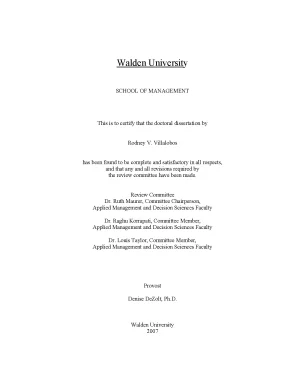
Tải xuống để đọc toàn bộWalden University SCHOOL OF MANAGEMENT This is to certify that the doctoral dissertation by Rodney V. Villalobos has been found to be complete and satisfactory in all respects, and that any and all revisions required by the review committee have been made. Review Committee Dr. Ruth Maurer, Committee Chairperson, Applied Management and Decision Sciences Faculty Dr.
Raghu Korrapati, Committee Member, Applied Management and Decision Sciences Faculty Dr. Louis Taylor, Committee Member, Applied Management and Decision Sciences Faculty Provost Denise DeZolt, Ph. Walden University 2007 Abstract Identification of Secondary and Tertiary Motifs in DNA Sequences through Naïve Bayesian Text Classification by Rodney V. Villalobos Dissertation Submitted in Partial Fulfillment of the Requirements for the Degree of Doctor of Philosophy Applied Management and Decision Sciences.
Walden University February 2007 Abstract Faced with uncertain data and an unpredictable return on computational tool investment, researchers are opting for laboratory studies over in silico (computer based) studies. This study addressed the lack of efficiency in identifying motifs (biologically significant amino sequences) in deoxyribonucleic acid (DNA) sequences via naïve Bayesian text classification. DNA is a nucleic acid that carries genetic information in cells. A naïve Bayesian text classifier is a machine-learning tool that uses automated means of determining metadata and has been used to identify e-mail worms, viruses, and spam.
This quantitative study utilized a naïve Bayesian text classification algorithm as the primary data collection technique. The data were analyzed using the independent t test and the chi-square goodness of fit test to address the research questions. Based on the tests conducted, naïve Bayesian text classification is not effective in identifying and classifying motifs. The results do suggest that secondary and tertiary motifs can be found in DNA sequences using machine learning.
Given these 2 conclusions, the study adds to the area of research by furthering ways to help researchers handle large amounts of data that may point to more effective drugs, faster development of these drugs to the marketplace, and improvement to the care and cure of diseases. Identification of Secondary and Tertiary Motifs in DNA Sequences through Naïve Bayesian Text Classification by Rodney V. Villalobos Dissertation Submitted in Partial Fulfillment of the Requirements for the Degree of Doctor of Philosophy Applied Management and Decision Sciences. Walden University February 2007 UMI Number: 3247593 Copyright 2007 by Villalobos, Rodney V.
All rights reserved. UMI Microform 3247593 Copyright 2007 by ProQuest Information and Learning Company. All rights reserved. This microform edition is protected against unauthorized copying under Title 17, United States Code.
ProQuest Information and Learning Company 300 North Zeeb Road P. Box 1346 Ann Arbor, MI 48106-1346 TABLE OF CONTENTS CHAPTER 1: INTRODUCTION. 1 Statement of the Problem. 3 Background of the Problem.
5 Nature of the Study. 7 Purpose of the Study. 8 Definition of Terms. 12 Scope and Delimitations.
12 Significance of the Study. 13 Organization of the Study. 15 CHAPTER 2: Literature Review. 16 Overview of Computational Sequencing.
16 Supervised and Unsupervised Learning. 24 Baye's Rule and Naïve Bayesian Text Classification. 32 Research Design and Approach. 32 Target Population, Setting, and Sampling.
33 Algorithm and Treatment. 33 Reliability and Validity. 37 Data Collection and Analysis. 41 Description of the Sample.
51 ii CHAPTER 5: CONCLUSIONS, RECOMMENDATIONS, FURTHER RESEARCH. 59 Future of Motif Identification and Classification .84 iii LIST OF FIGURES Figure 1: Rearch focus. 2 iv LIST OF TABLES Table 1: Hypotheses and Related Tests. 39 Table 2: DNA Samples Used in the Study.
42 Table 3: Unindexed and Indexed DNA Sequences. 44 Table 4: Observed and Expected Indexed Motifs. 46 Table 5: Motif Categorization Results. 49 Table 6: Observed and Expected Individual Sequences.
51 v CHAPTER 1: INTRODUCTION Some of the most active research in statistics is Bayesian where determining prior events remains a valid approach to the discovery process used by scientists (Jaynes, 1979; Zhang, Mukherjee, Ghosh, & Wu, 2006). The largest and most inviting field for the application of statistical analysis is biology (Jaynes, 1979; Rodrigez-Esteban, Iossifov, & Rzhetsky, 2006). For example, the human genome is made up of 23 pairs of chromosomes, each containing molecules called deoxyribonucleic acid (DNA). DNA molecules are shaped in the form of a twisted ladder with sugar and phosphate molecular components forming the sides of the ladder and the pairs of nucleotide bases forming the ladder rungs.
The nucleotide bases are made up of guanine (G), adenine (A), cytosine (C), and thymine (T) (Mangalam et al. The human genome consists of approximately 3 billion base pairs of DNA making up nearly 100,000 genes (Rockett, 2000). Of the 3 billion base pairs that make up the human genome, only about 1% code for proteins (Swope, 2001). With the existence of varied heterogeneous remote and local data sources and the need for complex analyses of the data, several software platforms and application frameworks are needed to facilitate a better understanding of genomic data (Swope, 2001).
These will need to combine graphical interfaces and complex analytical and data- mining tools with Web-based access to one or more remote data sources on the Internet. The benefit will be to allow comparison of unknown protein sequences within a database of sequences from other organisms that are better understood. Through cross-over, mutation, and fitness, nature reuses what it has learned from the design of simple 2 organisms such as bacteria (Swope). From this knowledge, scientists are able to deduce the function of other proteins by searching for the similar genes or proteins in the databases of other genes and proteins worldwide.
Yet inferring biologically meaningful information from warehoused data requires sophisticated data-mining techniques (Cummings & Relman, 2000). This research focused on one such data-mining technique as illustrated in Figure 1. Figure 1: Research focus 3 To move in silico research in the direction of improved decision support, the ability to take raw data and determine relevant patterns is important in order to design potential cures for diseases by improving the drug development lifecycle. This study describes the effectiveness of using a naïve Bayesian text classifier to identify secondary and tertiary protein motifs in DNA sequences.
Bayes’s rule was used to determine data categories via probability. A naïve Bayesian text classifier is a machine-learning algorithm that uses an automated means of determining metadata about data. Categories are represented by a collection of motifs and their frequencies; frequency is the number of times each motif is identified in the data used to train the classifier. Statement of the Problem The problem addressed in this research focused on identification of secondary and tertiary protein motifs in DNA sequences via naïve Bayesian text classification.
Statistical hypothesis testing for decision making in in silico essentially involves class comparison, where several experimental groups are directly analyzed. Pattern recognition, on the other hand, involves class prediction where a range of supervised multivariate techniques is used or class discovery where unsupervised multivariate techniques are used. The problem with either approach is that biologists tend to want data analysis to be like “a laboratory protocol—a series of steps that, if followed faithfully, guarantee to produce the correct answer to their experimental question” (Morrison & Ellis, 2003, p. This, however, is not possible given that data analysis involves detecting and displaying those patterns that are present in the data without actually knowing what the patterns are in advance.
Here, trial and error play major roles in determining appropriate analyses and evaluating their results. 4 In pattern recognition and prediction, a different solution is required that uses logical analysis to determine prior states in the system under consideration (Jaynes, 1979). This is in part due to the inherent complexity involved in the data. Researchers frequently do not know which patterns to predict in the dataset and as a result are unable to be explicit about which patterns should be interpreted as biologically meaningful.
This process involves searching for patterns that might exist in the database which could then be interpreted post hoc for meaningfulness. In this case, the answer to the experimental question results not from the answer to an “explicit statistical question” but from the search patterns in the dataset (Morrison & Ellis, 2003, p. With the complexity of the data high, researchers are required to engage in data mining with a particular emphasis on pattern analysis. The problem with this approach is that there is no single technique that can be generally recommended to mine the data for patterns (Morrison & Ellis, 2003).
This leaves the in silico practice open to different methodologies and potential solutions where in silico uses an experimental techniques performed on a computer or via a computational simulation. Not knowing a priori which techniques are specific enough to find those patterns that might be in the data creates an inherent problem for researchers. The situation arises as a result of there being no single pattern that can be expected in the data. If there are many possible patterns in the data, then there must be many possible mathematical techniques for finding those patterns.
For example, “choosing the technique that is suggested to be best under the widest range of possible circumstances sounds like a reasonable criterion of choice, but this is not necessarily a good idea” (Morrison & Ellis, 2003, p. In this example, there is no question that the data will have their own 5 characteristics due to various circumstances involving the experimental conditions, the way the data are quantified, and even the experimental question being asked. The difficulty with relying on a rigid protocol is that there is no guarantee that the correct answer to an experimental question will be produced thereby causing the results to fall short of expectations (Morrison & Ellis). The study presented here describes the effectiveness of using a naïve Bayesian text classification algorithm to identify secondary and tertiary motifs in DNA sequences and addresses the lack of efficiency in identifying motifs in DNA sequences.
Background of the Problem Shah, Passovets, Kim, Ellrott, Wang, Vokler, LoCascio, Xu, and Xu (2003) found that technology and experimental techniques by themselves are not enough to keep pace with the production rate of protein sequences in order to analyze and predict the function of proteins. These high production rates of protein sequences that result from microarray experiments are generating large volumes of complex data in an effort to identify which genes might be overexpressed or underexpressed under experimental conditions. This effort, however, is only part of the story when it comes to the practice of in silico research. The other side involves the analysis of data, where preprocessing of the raw data for quality control is used in combination with standardization to ensure data uniformity throughout the dataset.
This is followed by formal quantitative analyses involving either statistical hypothesis testing or multivariate pattern recognition (Morrison & Ellis, 2003). For the general computational biologist, a pattern is predicted to occur in the dataset where the averages of the observations in two experimental groups are different 6 from each other and a single, repeatable mathematical test can be used to evaluate whether a pattern exists. The logic used in in silico research involves inductive arguments where the specific instance of the sample is used to generalize about the population. In other words, recognizing the virtue of deductive logic in experimentation requires inductive logic to analyze the data.
This approach is not without its problems. Inductive reasoning does not provide the formal proof needed as evidence in support of any one particular hypothesis. In addition, there is the issue where no matter how much evidence is gathered in support of a particular hypothesis; it is difficult to be certain that this same evidence would not equally support any number of unknown hypotheses (Morrison & Ellis, 2003). Given that large amounts of data are accumulated—in the range of hundreds of terabytes per day—regarding genetic information, it is important to make use of the available datato resolve pressing health issues (Guan & Bell, 2004).
Nội dung được bảo vệ bản quyền — Tải xuống đầy đủ
Trích dẫn luận án này
Rodney V. Villalobos (2007). Phân loại motif DNA bằng phân loại văn bản Bayesian [Luận án tiến sĩ, Walden University]. LuanAn.net. https://luanan.net/cong-nghe-thong-tin/tri-tue-nhan-tao/phan-loai-motif-dna-naive-bayesian-villalobos
Từ khóa và chủ đề nghiên cứu
Từ khóa liên quan
Xem thêm luận án cùng lĩnh vực
Chủ đề nghiên cứu
Câu hỏi thường gặp
Luận án "Phân loại motif DNA bằng phân loại văn bản Bayesian" nghiên cứu về vấn đề gì?
Luận án tiến sĩ phân loại motif DNA bằng Naive Bayesian text classification. Ứng dụng machine learning xác định chuỗi amino sinh học trong DNA.
Luận án "Phân loại motif DNA bằng phân loại văn bản Bayesian" được bảo vệ tại trường nào?
Luận án này được bảo vệ tại Walden University. Năm bảo vệ: 2007.
Luận án "Phân loại motif DNA bằng phân loại văn bản Bayesian" thuộc chuyên ngành gì?
Luận án "Phân loại motif DNA bằng phân loại văn bản Bayesian" thuộc chuyên ngành Applied Management and Decision Sciences. Danh mục: Trí Tuệ Nhân Tạo.
Luận án "Phân loại motif DNA bằng phân loại văn bản Bayesian" có bao nhiêu trang?
Luận án "Phân loại motif DNA bằng phân loại văn bản Bayesian" có 93 trang. Bạn có thể xem trước một phần tài liệu ngay trên trang web trước khi tải về.
Cách tải luận án "Phân loại motif DNA bằng phân loại văn bản Bayesian" về máy như thế nào?
Để tải luận án về máy, bạn nhấn nút "Tải xuống ngay" trên trang này, sau đó hoàn tất thanh toán phí lưu trữ. File sẽ được tải xuống ngay sau khi thanh toán thành công. Hỗ trợ qua Zalo: 0559 297 239.